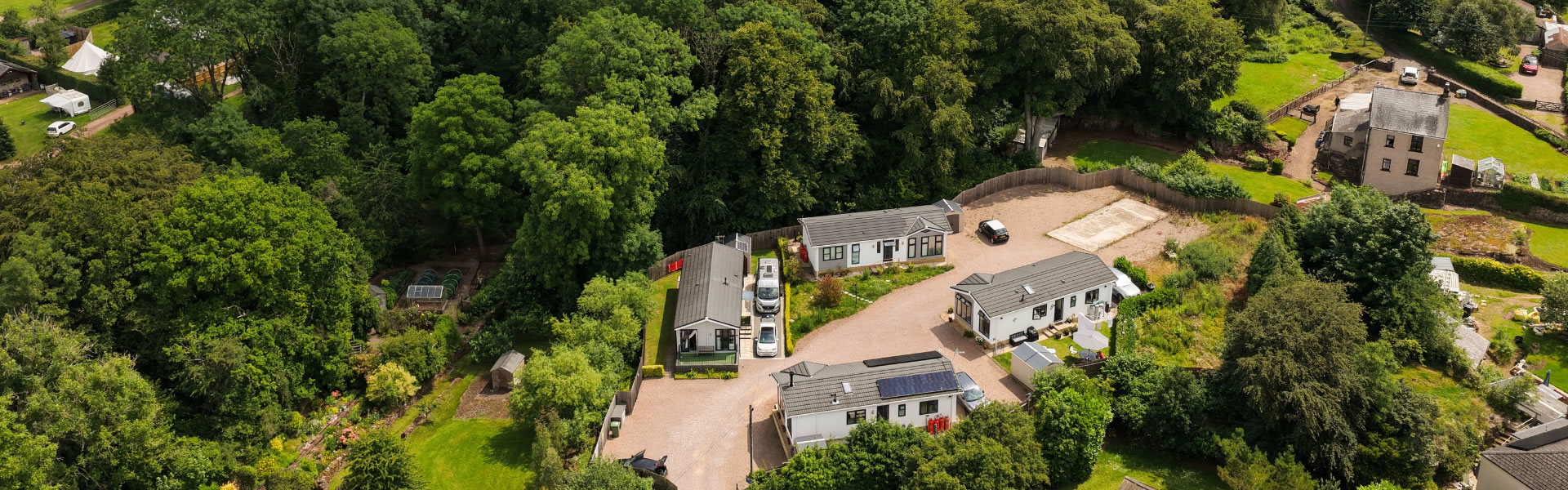
For many people, that is when residential park homes come into the picture. A park home can offer comfortable, single-storey living in a close-knit community, often with less upkeep than a traditional house. It is still your own front door and your own private space, but the day-to-day routine can feel much lighter.
Here are five signs that a move to a park home may suit the life you want now.
1. Your Current Home Feels Too Large
A family house may once have been exactly right. Later on, spare bedrooms sit empty, the garden takes longer to manage and routine maintenance starts to feel like a job in itself.
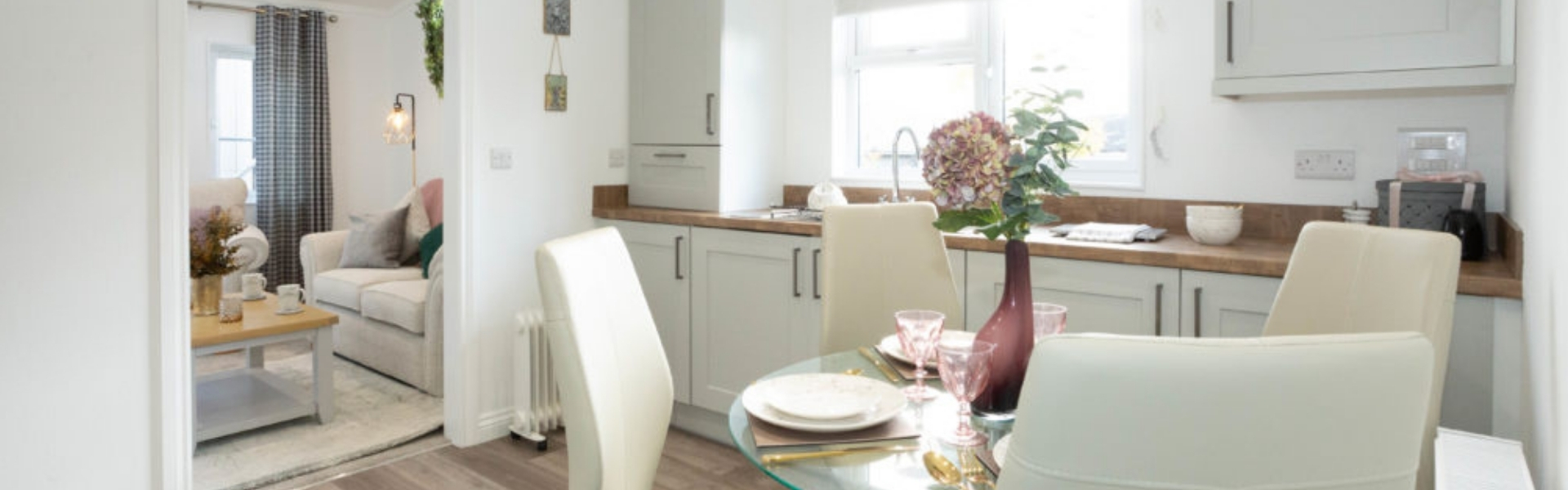
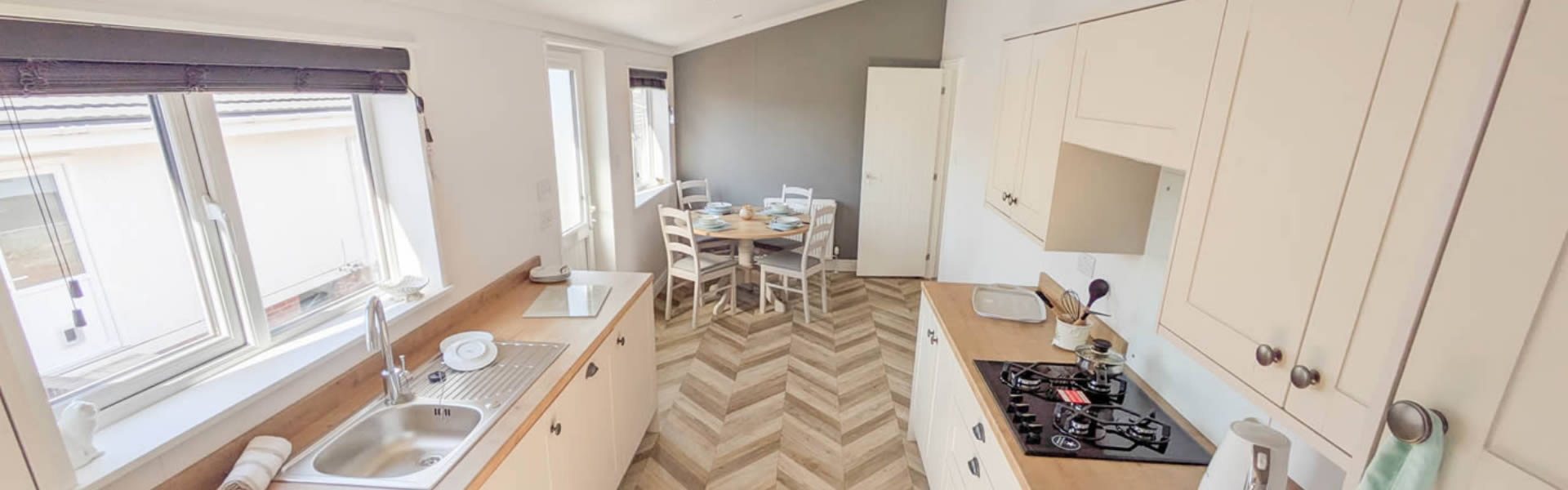
Park homes are designed around practical, comfortable living. Many have modern kitchens, bright living areas, two bedrooms and manageable outdoor space, all on one level. You keep the comfort of a detached home without paying for or maintaining rooms you rarely use.
That is one reason why park home living is increasingly popular with people over 45 who want a home that fits the next stage of life.
2. You Want to Spend Less Time on Upkeep
There is nothing relaxing about a Saturday spent clearing gutters, painting fences or worrying about the next large repair bill. When home maintenance begins to dictate how you spend your time, a lower-maintenance property becomes far more appealing.
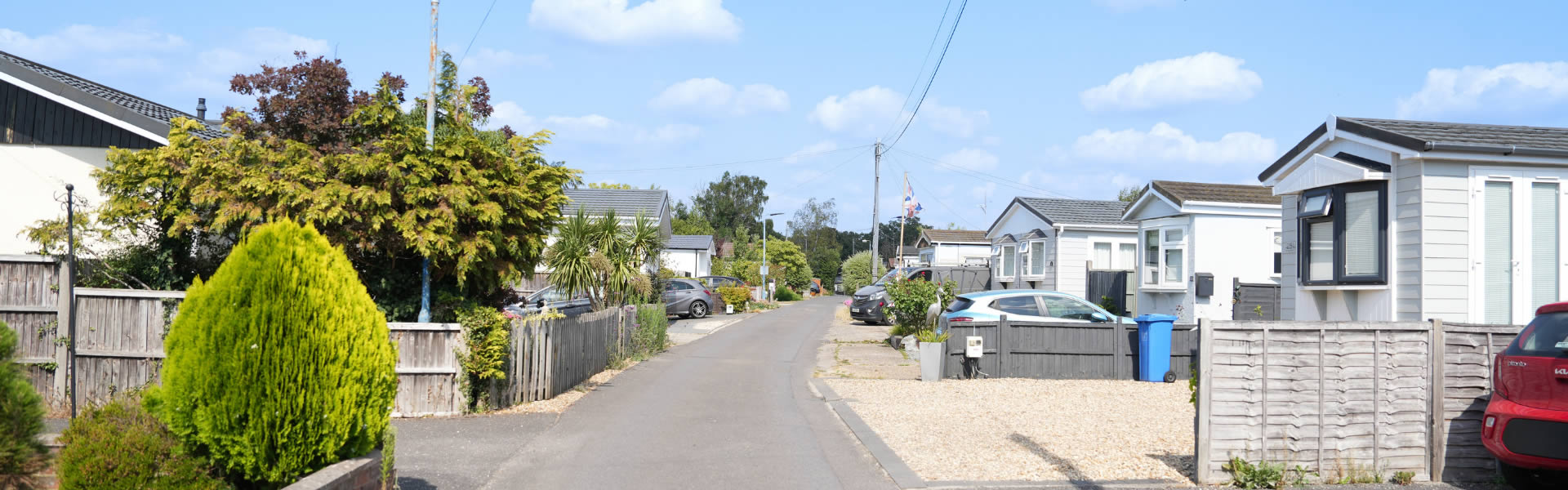
A modern residential park home is built for year-round living and is usually easier to clean, heat and look after than a larger bricks-and-mortar property. The plot is more manageable too. You may still have a garden, decking or a seating area, but it should not take over your week.
The result is simple: less time looking after the property and more time enjoying it.
3. You Would Like a Friendlier Community
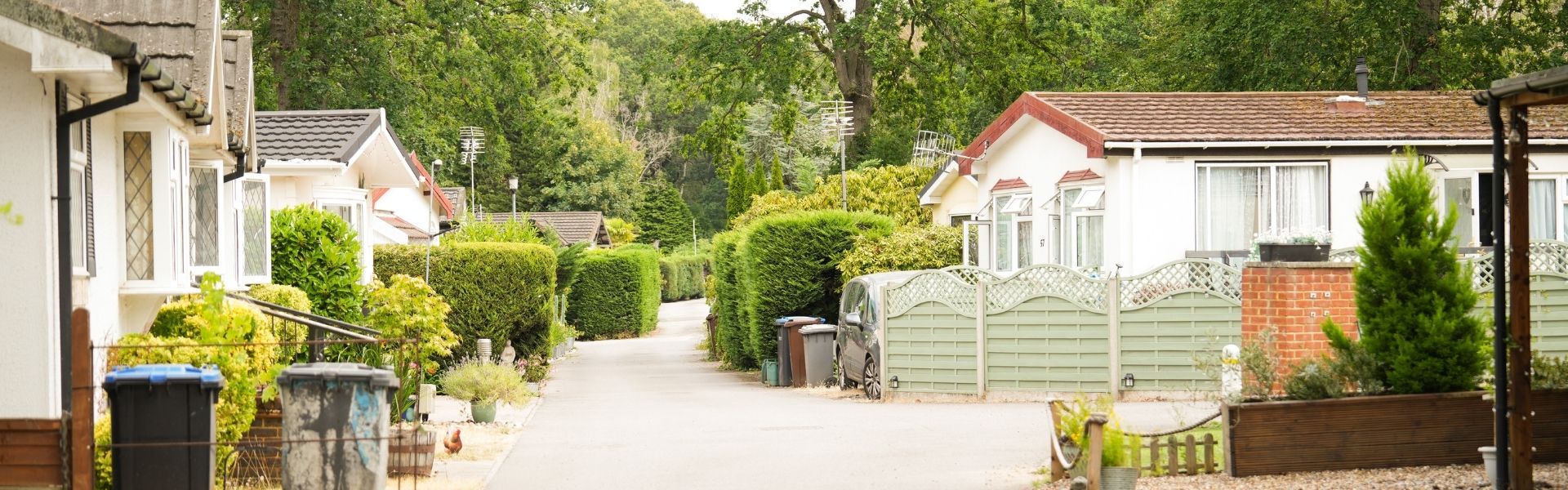
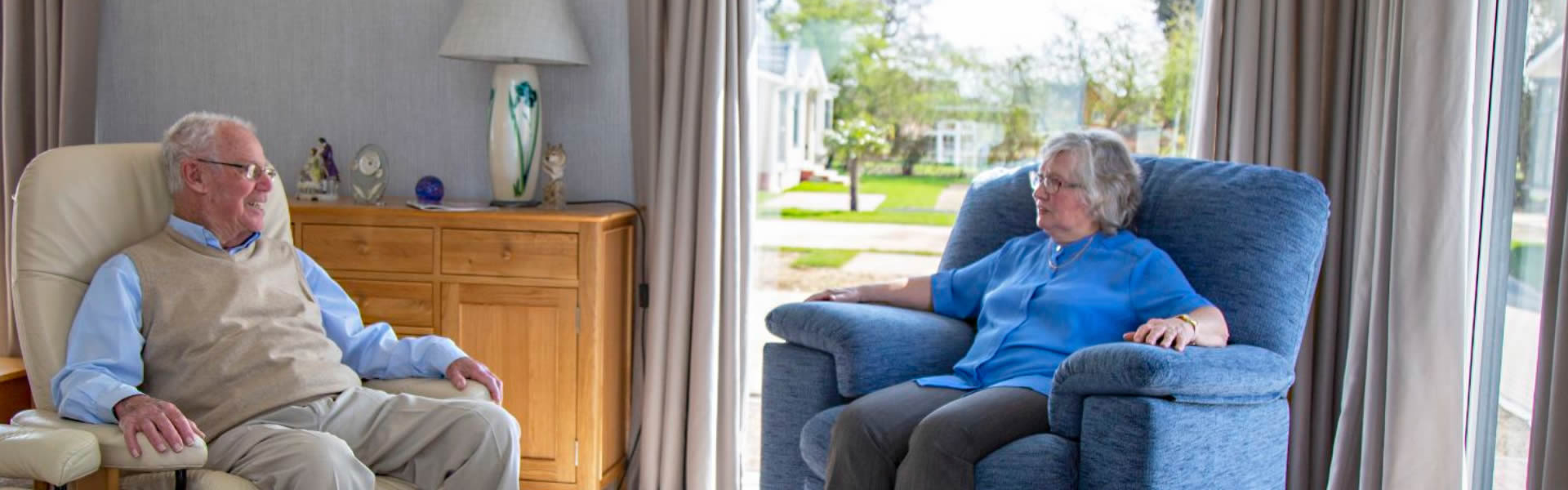
It is possible to live on the same street for years without knowing many neighbours. Residential parks often feel different. Residents have their own homes and privacy, while familiar faces and everyday conversations create a stronger sense of belonging.
That might mean stopping for a chat while walking around the park, having someone nearby who will keep an eye on things while you are away, or simply feeling part of the place where you live.
Our article on well-being through community living explains why those small, regular connections can matter so much.
4. You Want Your Money to Work Harder
Your priorities may have changed. Rather than keeping a large amount of money tied up in a house that no longer suits you, you may prefer a comfortable home with money left for travel, family, hobbies or day-to-day security.
Park homes can offer a more affordable route to detached, single-storey living, although prices and ongoing costs vary by home and location. You will usually pay a pitch fee for the plot, so it is important to understand the full costs and read the written agreement before buying.
For a closer look at the financial side, read about the cost of living and park home living for over-50s.
5. You Keep Imagining a Calmer Setting
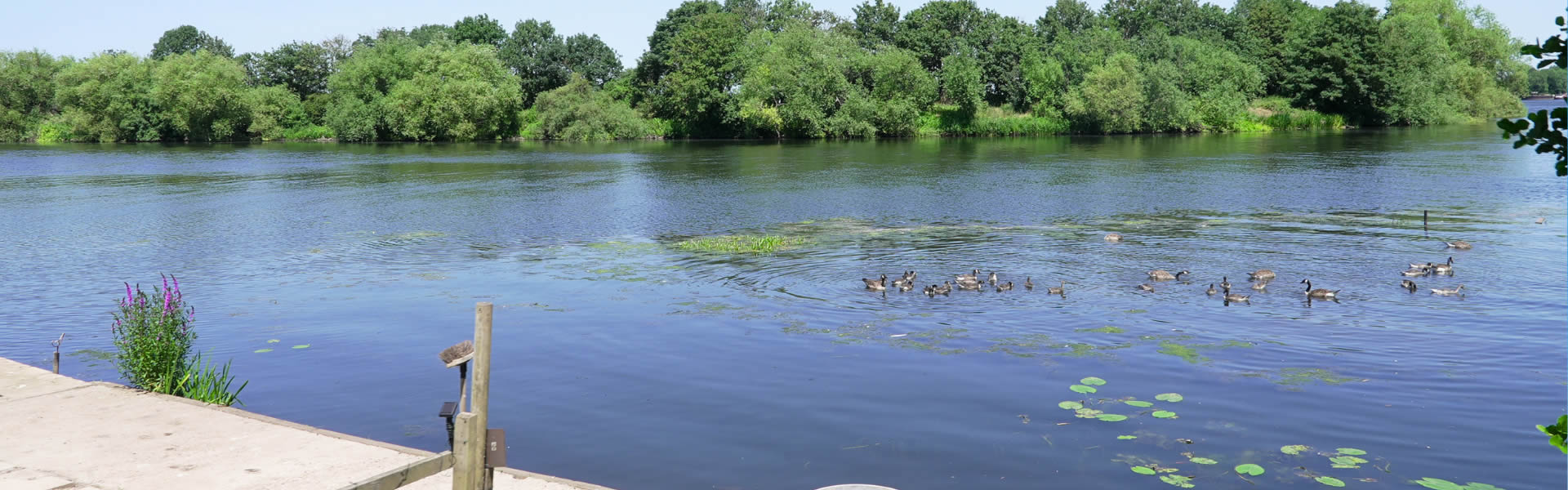
Perhaps you picture waking up somewhere quieter, with countryside, coast or open space nearby. Maybe you want to leave a busy road, move closer to family or settle in an area that feels more relaxed.
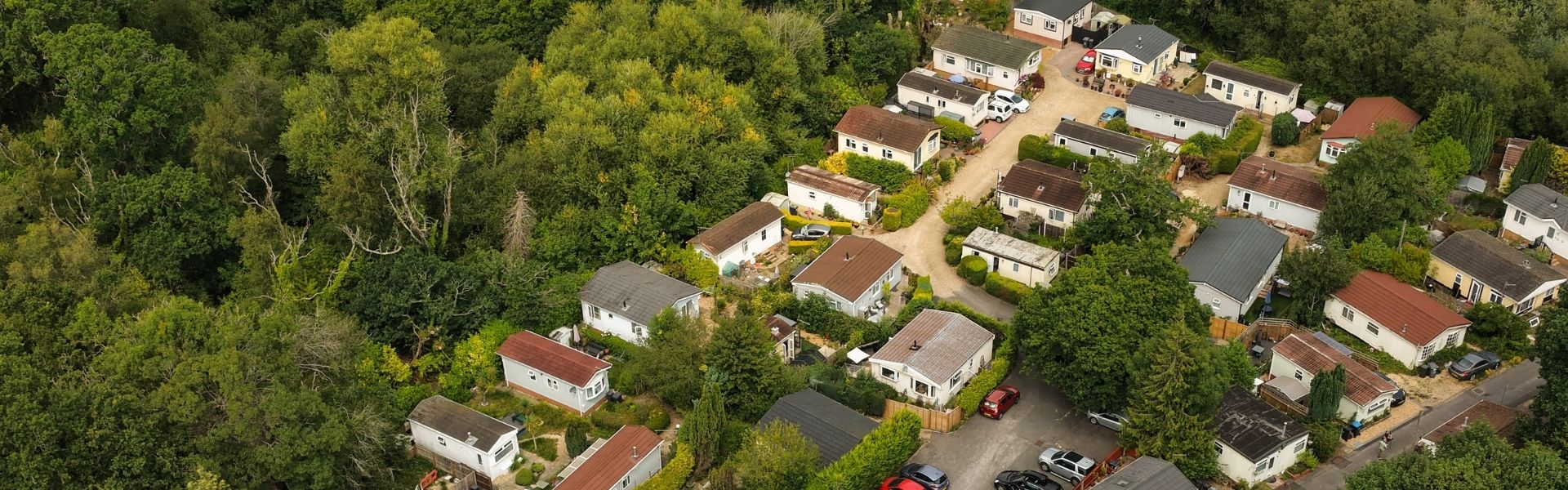
Park homes are available in many parts of the UK, from rural and coastal locations to parks within easy reach of towns and local services. The setting is a large part of the appeal, but it is worth visiting in person. Walk around the park, look at the surrounding area and imagine an ordinary Tuesday there, not just a sunny viewing day.
Browsing Wyldecrest residential parks across the UK is a useful place to start comparing locations.
What Park Home Living Is Really Like
A residential park home is not a holiday caravan. It is a detached home on a licensed residential park, intended for permanent, year-round living. Modern homes can include double glazing, central heating, fitted kitchens, en-suite bedrooms and layouts that feel much like a conventional bungalow.
You own the home itself and pay a pitch fee for its position on the park. Before making a decision, check that the park has a residential licence, ask about any age criteria, review the park rules and read the written statement carefully. These practical details matter just as much as the home and location.
It is also worth viewing more than one model. Floorplans, storage and outdoor space vary, and the right home should feel comfortable rather than simply look impressive on first inspection.
Could a Park Home Be Your Next Step?
A lifestyle change does not need to be dramatic. It may simply mean choosing a home that is easier to run, in a place where you feel settled and connected.
If your current property feels too demanding, your priorities have shifted and park home living keeps catching your attention, take a closer look. Visit a few parks, speak to residents where possible and ask plenty of questions. A fresh start should feel considered, not rushed.
Frequently Asked Questions
What is a residential park home?
A residential park home is a detached home located on a privately owned park with a residential site licence. It is designed for permanent, year-round living and is usually built to the BS 3632 residential standard.
Do I own a park home?
You buy and own the park home itself. The home stands on a pitch within the park, and you pay the park owner a pitch fee under the terms of your written agreement.
Are park homes suitable for downsizing?
Yes. Many buyers choose them because they provide comfortable single-storey living with less space and maintenance than a larger family house. It is important to check the floorplan and storage carefully before buying.
Can I live in a park home all year?
You can live all year on a park with a residential licence. A holiday park licence is different and may restrict permanent residence, so always confirm the licence before making a purchase.
What should I check before buying?
Check the park’s residential licence, pitch fee, written statement, park rules, age criteria and the condition and build standard of the home. You should also visit the park and surrounding area before deciding.