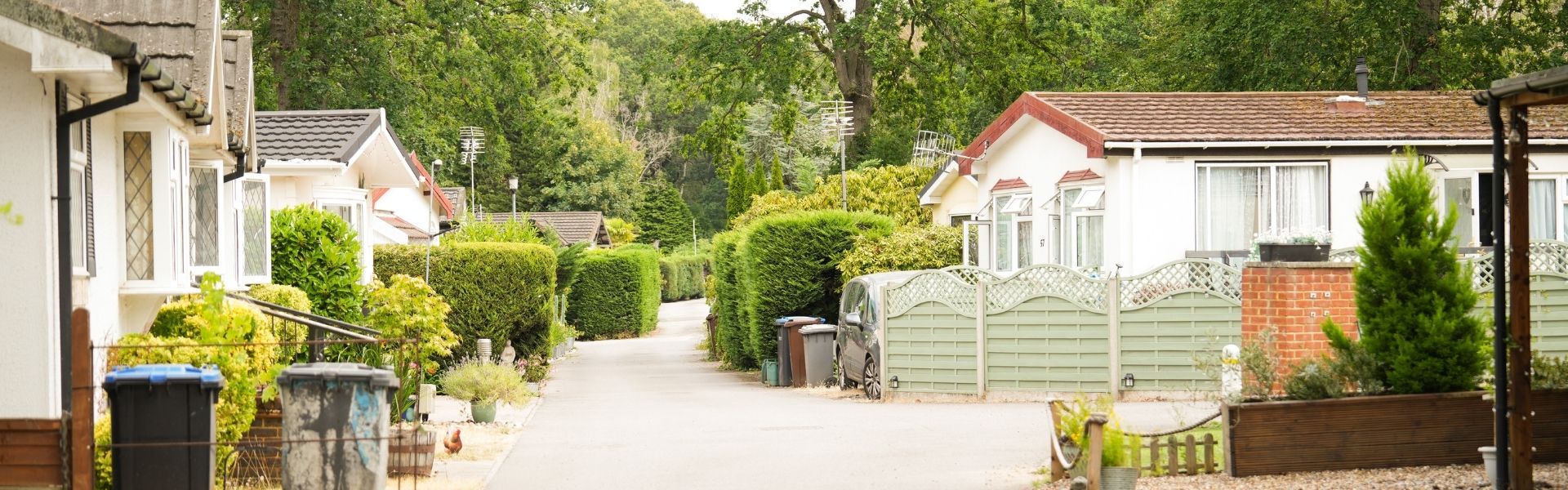
For many people, that is the appeal. A residential park can offer a quieter pace without cutting you off from normal routines. If you are wondering whether it would suit you, here is what day-to-day life can actually look like.
Mornings Can Be Quiet and Unhurried
On many residential parks, mornings start gently. You might sit outside with a cup of tea, take the dog for a walk where park rules allow pets, or spend half an hour tidying the garden before heading out for the day.
There is no set residential park routine. Some residents are retired, while others still work, visit family regularly or have busy social calendars. The useful thing to imagine is not a completely different lifestyle, but your current one in a different kind of neighbourhood.
You Tend to Know Your Neighbours
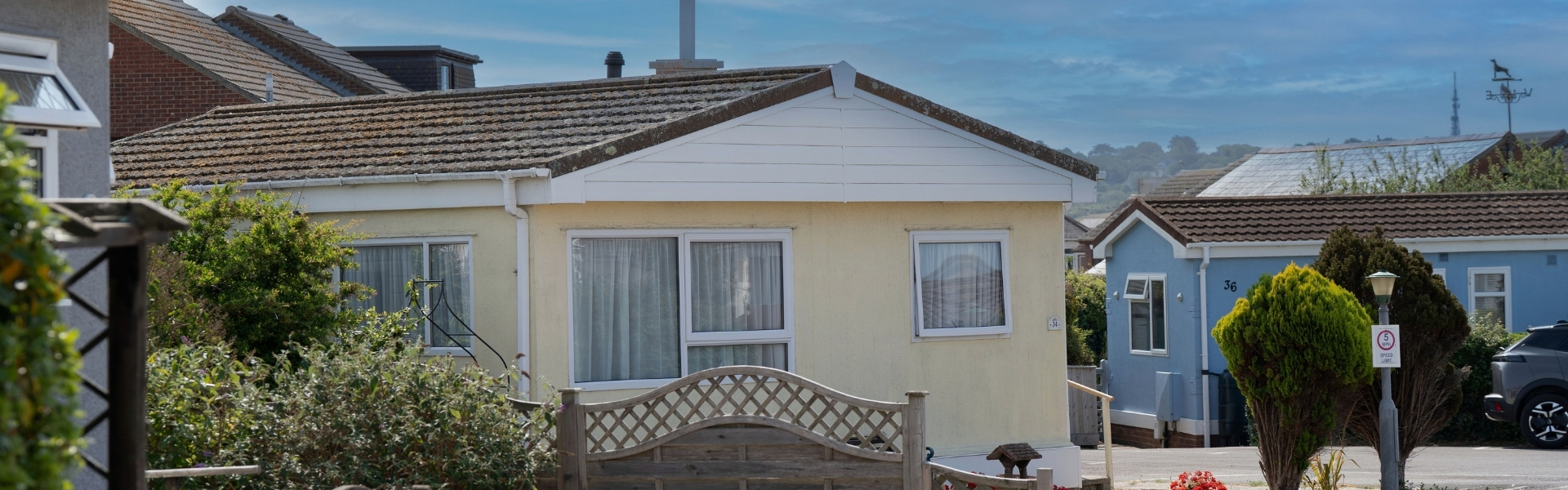
Park homes sit within a defined community, so familiar faces quickly become part of daily life. A chat while you are out on the park, a wave on the way past or someone keeping an eye out while you are away can feel quite natural.
That does not mean you have to be sociable all day. Good neighbourly life still leaves room for privacy. You can join in when you want to and close your front door when you do not. Our article on the heart of community life at Wyldecrest Parks gives a closer look at that side of park living.
Your Home Is Usually Easy to Keep on Top Of
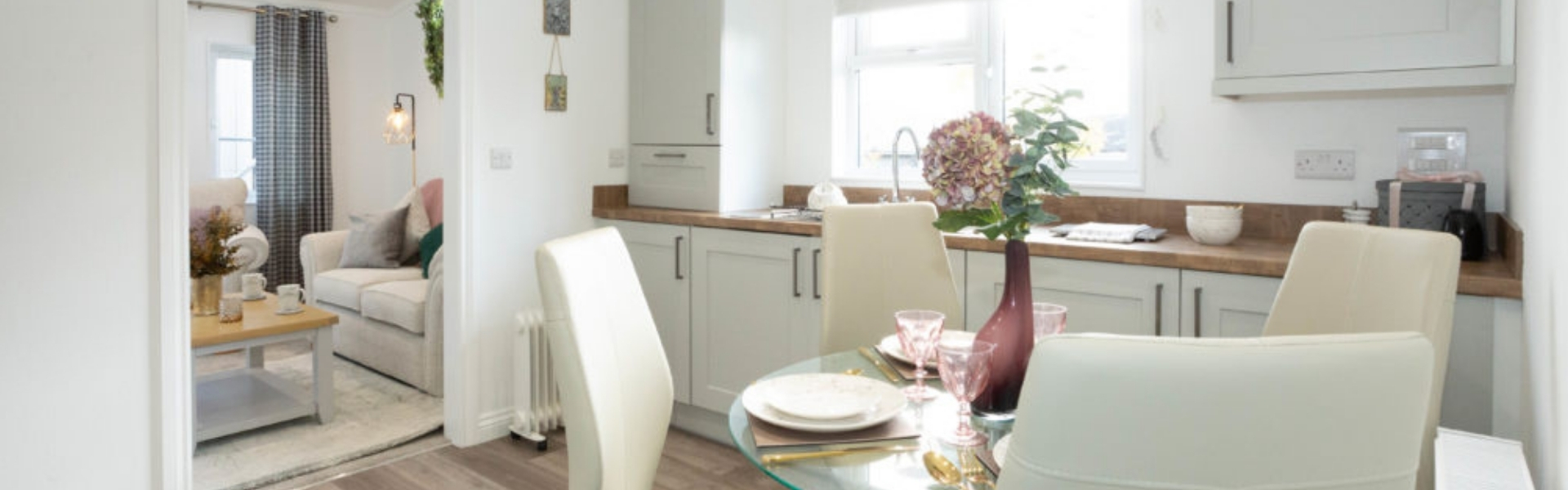
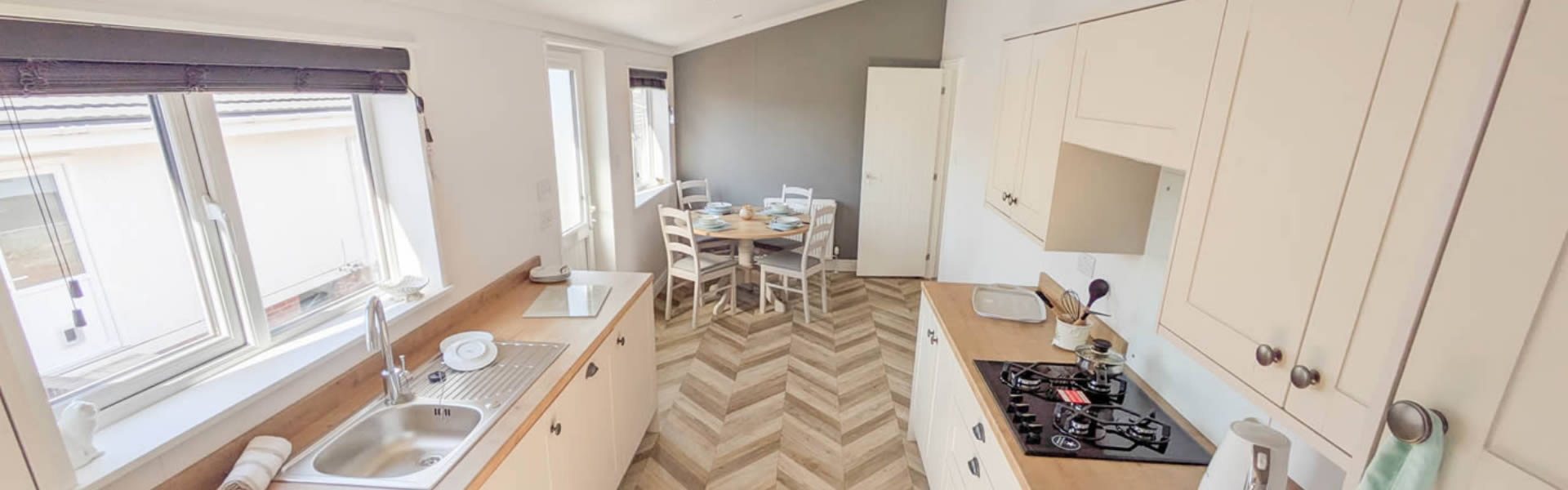
One reason people move to a park home is to have a home that feels manageable. With less space than a large family house, everyday cleaning and maintenance can take less time. That leaves more of the day for things you would rather be doing.
You still have normal household jobs, of course. Bins need taking out, surfaces need cleaning and the garden will not weed itself. But many residents enjoy having a home and outdoor space that can be cared for without swallowing the whole weekend.
Outdoor Space Often Becomes Part of the Routine
A small garden, patio or seating area can make a surprisingly big difference to daily life. It might become the place where you eat lunch on a warm day, grow a few pots of herbs or stop for a chat with a neighbour.
You do not need a huge garden to enjoy it. In fact, keeping things smaller can make gardening feel more like a pleasure than a job. If that appeals, see our ideas for gardening in small spaces.
You Still Come and Go as Normal
Living on a residential park does not mean staying on the park. Residents still drive to the supermarket, meet family, go to appointments, visit the coast or countryside and head off on holiday. The surrounding area matters just as much as the park itself.
That is why it is worth looking beyond the home when you visit. Check how far you are from shops, healthcare, public transport, places you enjoy and the people you see most often. A lovely home in the wrong location can become inconvenient surprisingly quickly.
Park Rules Are Part of Everyday Life
Residential parks have rules designed to set expectations for everyone living there. These can cover practical matters such as parking, pets, alterations or how plots are kept. The exact rules vary from park to park, so read them before you commit.
Most of the time, rules simply sit in the background. They matter most when something affects how you want to use your home. If you have two cars, own a pet or have plans for the garden, ask about those points early rather than assuming.
There Is Usually a Stronger Sense of Place
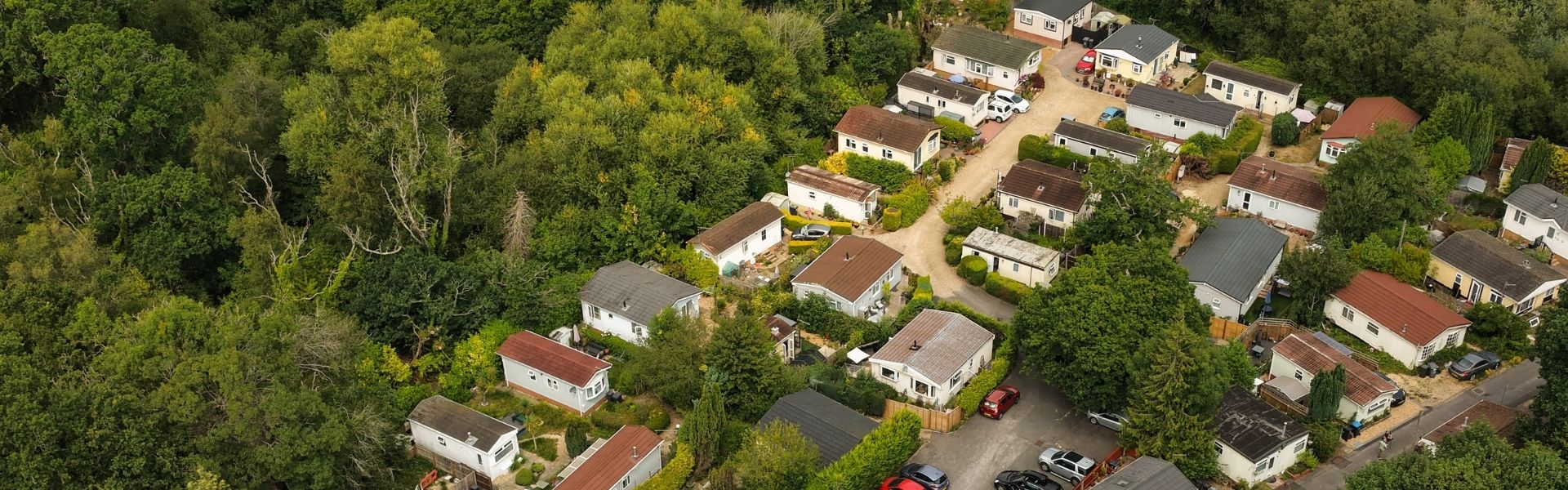
A residential park is not just a collection of homes. Because the neighbourhood has clear boundaries, people often become familiar with the paths, gardens, views and faces around them. You notice when spring bulbs appear, when someone has changed a planter or when a new resident moves in.
That familiarity can make a place feel settled quite quickly. For anyone leaving a larger house or moving to a new area, having a recognisable community around you can make the change feel less abrupt.
Evenings Are Much Like Anywhere Else
There is no special formula for a park-home evening. You might cook dinner, watch television, sit outside, visit friends or head into town. Some days will be sociable. Others will be wonderfully uneventful.
And that is probably the most accurate picture of residential park life: it is not about filling every day with activities. It is about having a comfortable home base in a setting that suits the way you want to live.
What Should You Look for When Visiting a Residential Park?
A viewing tells you far more than photographs can. Spend a little time walking around and pay attention to how the place feels rather than looking only at the home.
- Is the park quiet, busy or somewhere in between?
- Do the homes and shared areas look well cared for?
- Would the location work for your normal weekly routine?
- Are the park rules compatible with the way you live?
- Can you picture yourself feeling at home there on an ordinary Tuesday, not just on viewing day?
It can also help to compare different locations before deciding. Read more about why people choose a Wyldecrest residential park, or browse our residential parks across the UK to see what is available.
Frequently Asked Questions
Is residential park life quiet?
It can be, but every park has its own character. Location, size and the people living there all affect how it feels. Visiting at different times of day can give you a more realistic impression.
Do you have to socialise with neighbours?
No. A friendly community does not mean giving up your privacy. You can chat, join in and build friendships at your own pace.
Can I have a garden at a residential park home?
Many park homes have their own outside area or garden space, but layouts and rules vary. Check what belongs to the plot and what changes you are allowed to make before buying.
Are pets allowed on residential parks?
Pet rules differ between parks. If you already have a pet or plan to get one, ask about the current rules for that specific park before making a decision.
What is the best way to know whether park life will suit me?
Visit in person, walk around and think through an ordinary week. Consider your routines, transport, shopping, family visits, hobbies and how much neighbourly contact you enjoy. The right park should fit your real life, not ask you to reinvent it.