That does not mean every park home is automatically a good investment. The better question is what you want the purchase to do for you. If your priority is a comfortable, affordable home and a different pace of life, the numbers can make a great deal of sense. If your only aim is long-term capital growth, you need to look at it differently.
Think About Value, Not Just House-Price Growth
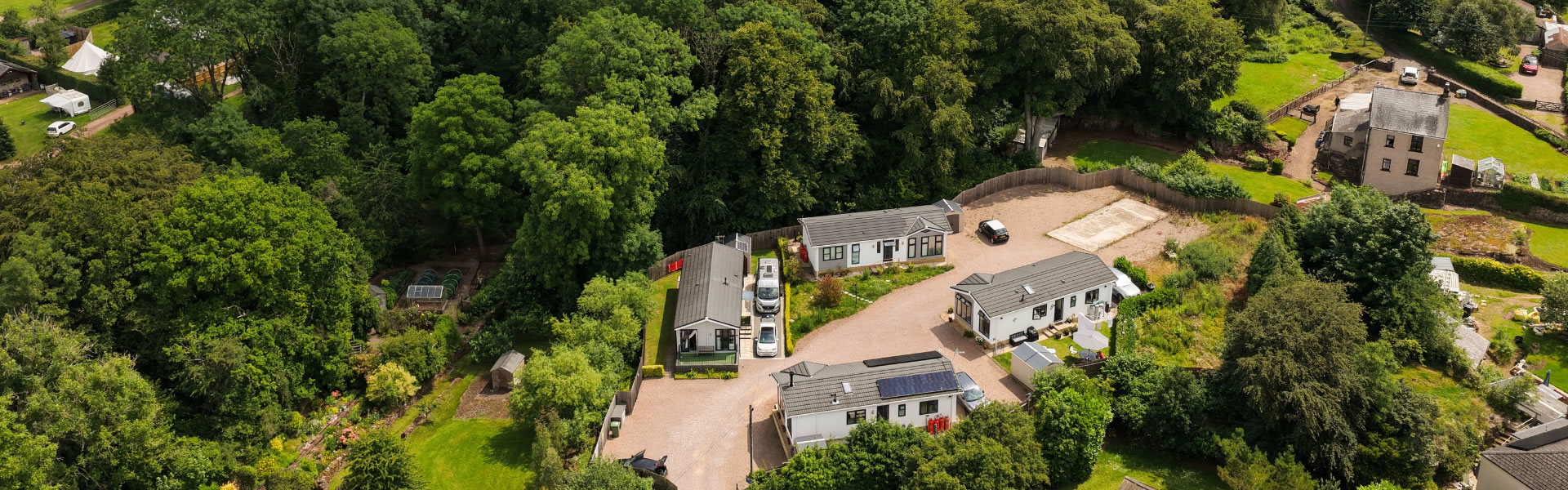
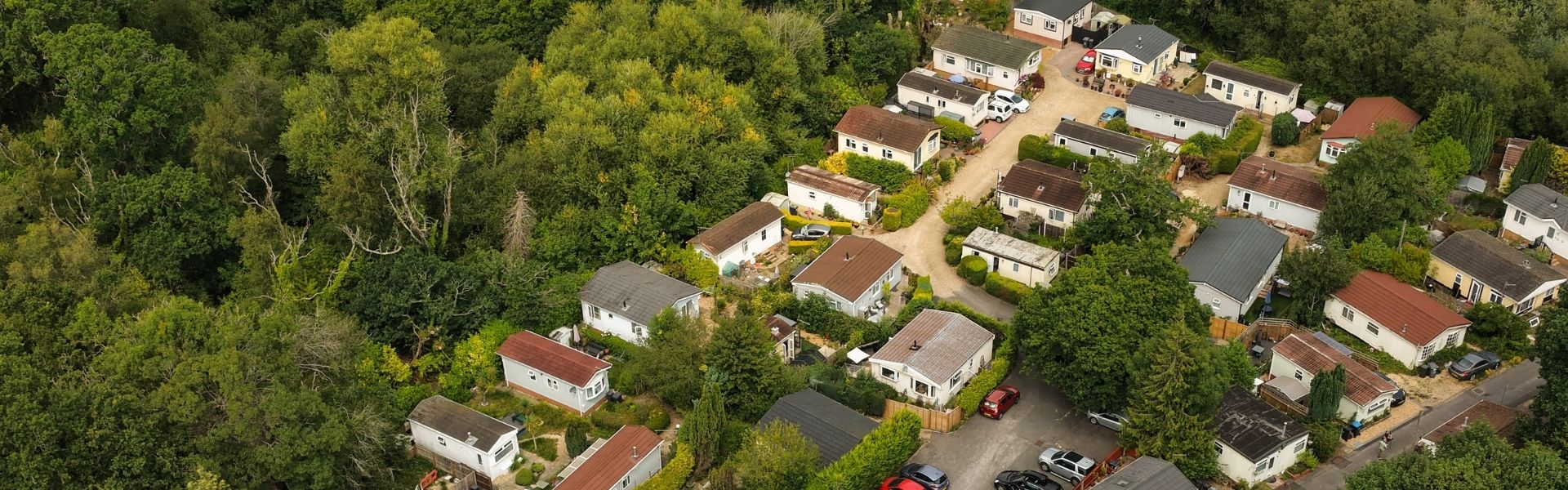
Residential park homes are not the same as bricks-and-mortar houses. You buy the home itself and place it on a licensed residential park, where you pay a pitch fee for the plot. That means the way you judge value should include more than the future selling price.
Start with what the move could change now. Selling a larger property and buying a park home may release equity that can be used for savings, travel, family plans or simply a more comfortable retirement. Our guide to affordable park home living looks at some of the reasons buyers choose this route.
The Purchase Price Can Be Part of the Appeal
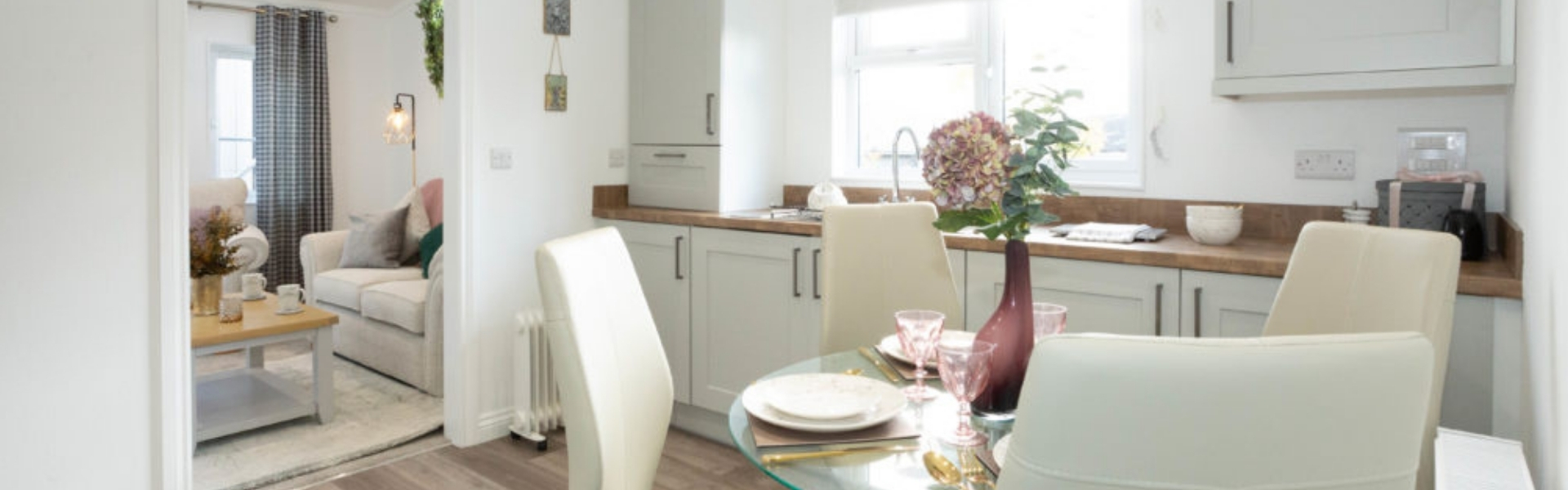
One of the main attractions is that a residential park home can cost less than a comparable traditional property in the same broad area. For someone downsizing from a larger house, that price difference can be significant.
But a lower purchase price should not encourage a rushed decision. Look at the home, the park, the agreement and the location together. A well-kept home on a park you genuinely enjoy living on is likely to feel like a much better use of your money than a cheaper option that does not suit your day-to-day life.
If you are still working through the practical side of a purchase, read our guide to buying a new residential park home.
Factor In the Ongoing Costs
The purchase price is only one part of the calculation. Residential park home owners also need to budget for the pitch fee, utilities, insurance, council tax and normal home maintenance. Before buying, ask for a clear picture of these regular costs so you can compare them with what you pay now.
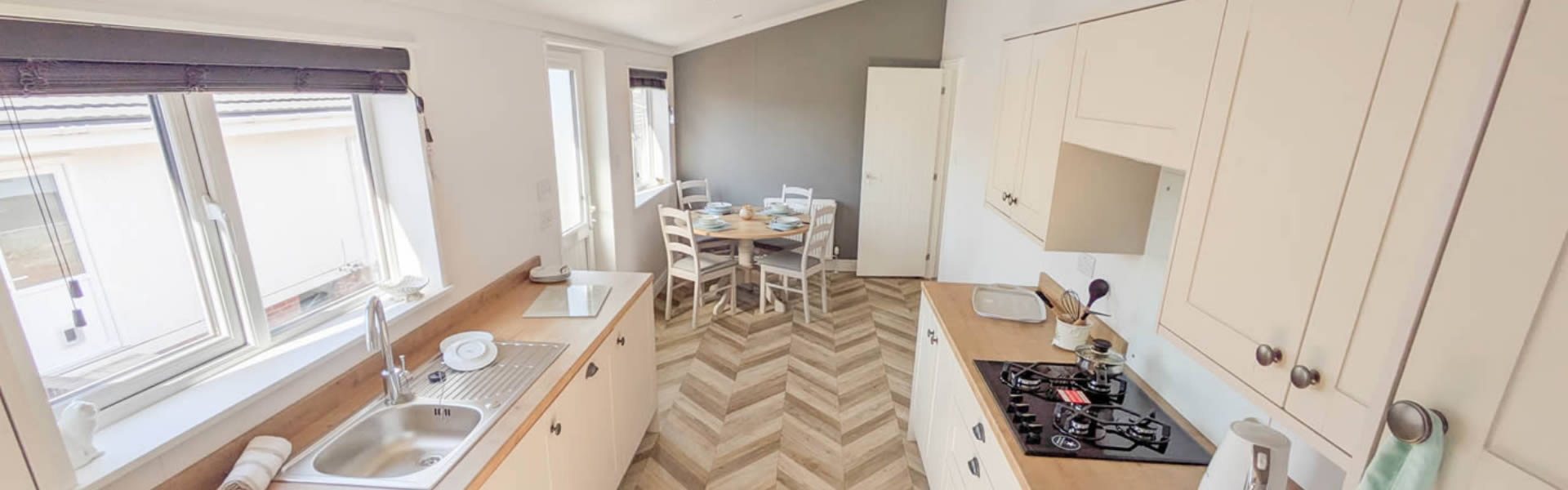
A smaller home may be less expensive to heat and maintain than a larger traditional property, although the actual saving will depend on the home, its condition and your own use. Work with real figures where you can. A move that looks attractive on paper is much easier to judge once you know the likely monthly outgoings.
Resale Value Needs a Realistic View
A park home can be sold in the future, but it should not be assumed to rise in value in the same way as land-based property. Age, condition, location, the park itself and buyer demand can all affect what someone is willing to pay.
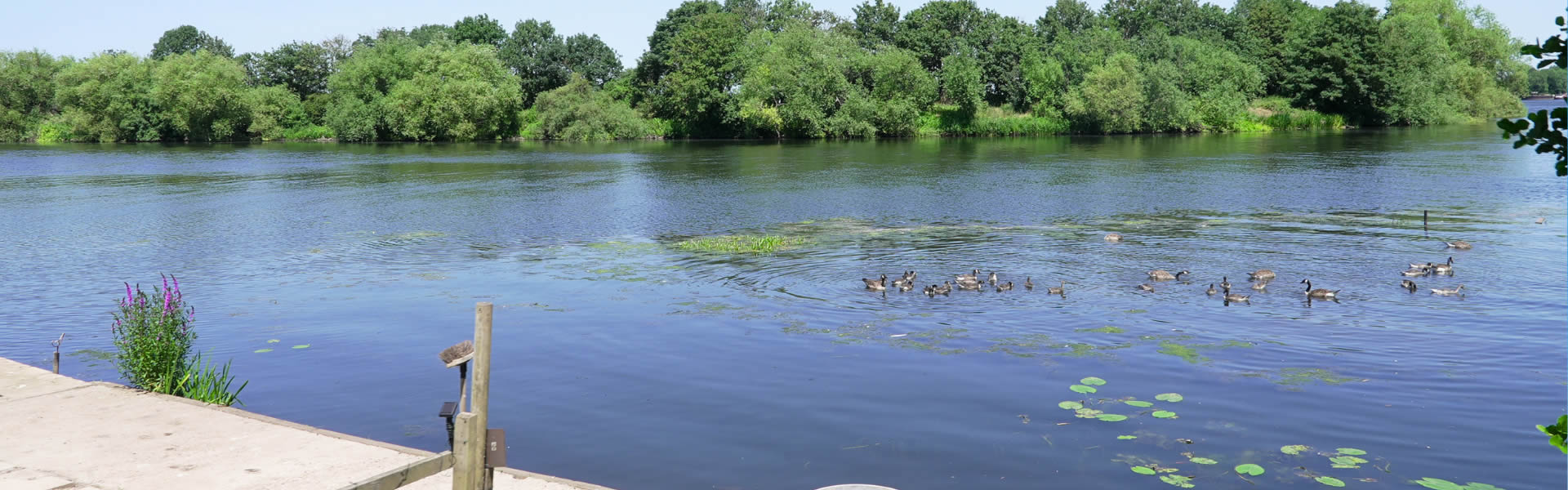
This is why keeping the home well maintained matters. So does choosing a park you would be happy to recommend to somebody else. A pleasant setting, good access to local services and a cared-for community can all make a home more appealing when the time comes to sell.
Downsizing Can Release Money for Other Priorities
For homeowners with substantial equity tied up in a larger property, downsizing can change the investment question completely. The return is not necessarily found in the home going up in price. It may come from releasing money that was previously locked into bricks and mortar.
That can be particularly relevant for people whose current house has become expensive or tiring to maintain. If that sounds familiar, our guide to downsizing to a park home covers the practical and lifestyle reasons behind the move.
Location Still Matters
A park home is a home first. The location needs to work on an ordinary Tuesday, not just on viewing day. Think about shops, healthcare, transport links, family, hobbies and the places you visit regularly.
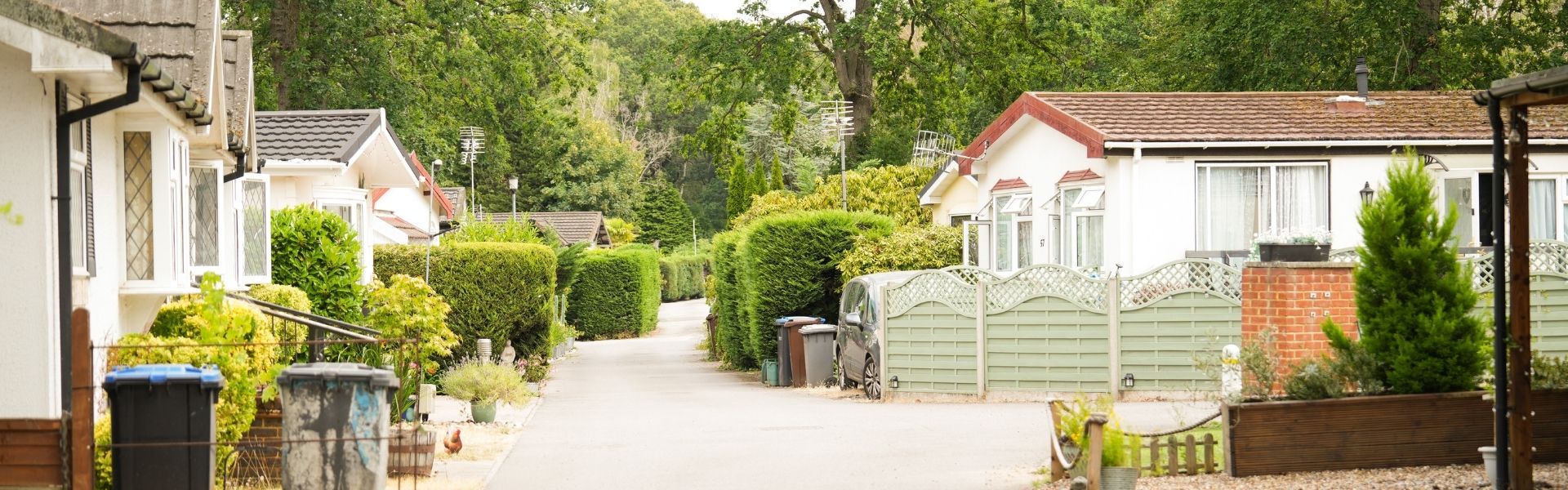
Spend time on the park before making a decision. Walk around, look at how the homes and shared areas are maintained and get a feel for the setting. You can also explore residential parks across the UK to compare different areas and styles of park living.
So, Are Residential Park Homes a Good Investment?
They can be, provided you define the investment properly. A residential park home may offer a lower-cost route into a comfortable home, release equity from a larger property and reduce some of the work that comes with maintaining a conventional house. Those benefits have a real financial value, even if they do not look like conventional house-price growth.
The key is to buy for the right reasons. Check the full costs, understand the agreement, choose the park carefully and be realistic about resale. If the home improves your finances as well as the way you want to live, that is a much stronger measure of a good investment.
Frequently Asked Questions
Do residential park homes increase in value?
They can change in value, but buyers should not assume they will appreciate in the same way as traditional bricks-and-mortar property. Condition, age, location, the park and buyer demand can all influence resale value.
Can buying a park home release equity?
Yes, it may. Someone selling a higher-value traditional property and buying a lower-priced park home could have money left over after the move. The amount depends on the sale price, purchase price and moving costs.
What costs should I consider before buying?
Look beyond the purchase price. Budget for the pitch fee, utilities, insurance, council tax and normal maintenance, then compare those costs with your current home.
Is a park home better as a lifestyle purchase or a financial investment?
For many buyers, the strongest case is a mixture of both. A park home can make financial sense by lowering the amount tied up in the home, while also offering a smaller property and a residential park community. It is not best treated as a straightforward substitute for conventional property investment.