The weekly shop costs more. Energy bills are still too high. Even a quiet month gets knocked off course by one repair or one letter saying a direct debit is going up.
For a lot of people over 50, this has changed how home feels. It no longer feels like long term security. A bigger house made sense once. It suited family life, work, kids, and visitors. But now the same house costs too much to run, takes too long to maintain, and leaves too little room in the budget every month.
That is why more people are asking a blunt question: is my home still working for me?
When bills start forcing the decisions
Nobody wants to spend retirement deciding whether to put the heating on.
But that is exactly what millions of older people have been dealing with. Age UK research found that five million people aged 66 and over cut back on heating last winter. Another 4.1 million felt less financially secure going into 2026 than the year before.
Those numbers are easy to picture. It is the person sitting in one room because the rest of the house is too cold. It is the couple putting off a repair because the boiler service already took a chunk out of the month. It is someone with no breathing room in the budget.
A home can be valuable and still feel expensive to live in, something that does not always get talked about.
We want you to know that downsizing is not a defeat – there is an old idea that downsizing means giving something up.
For many over-50s, it is the opposite. Fewer bills. Less cleaning. Less upkeep. What isn’t there to love? It means choosing a home that suits this stage of life.
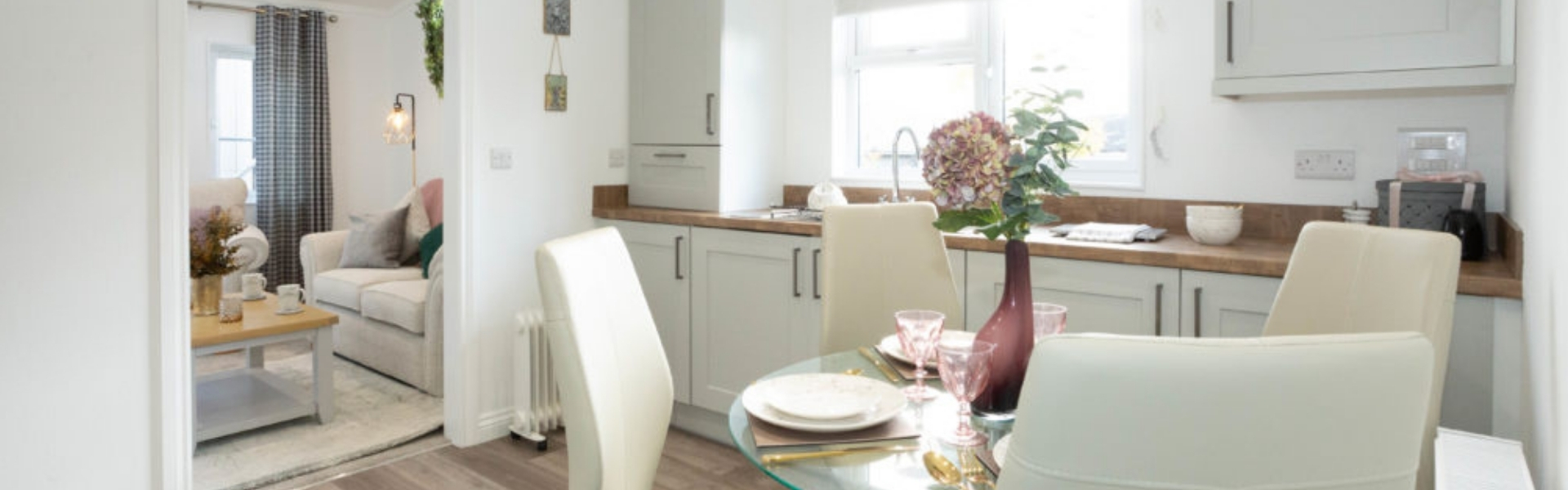
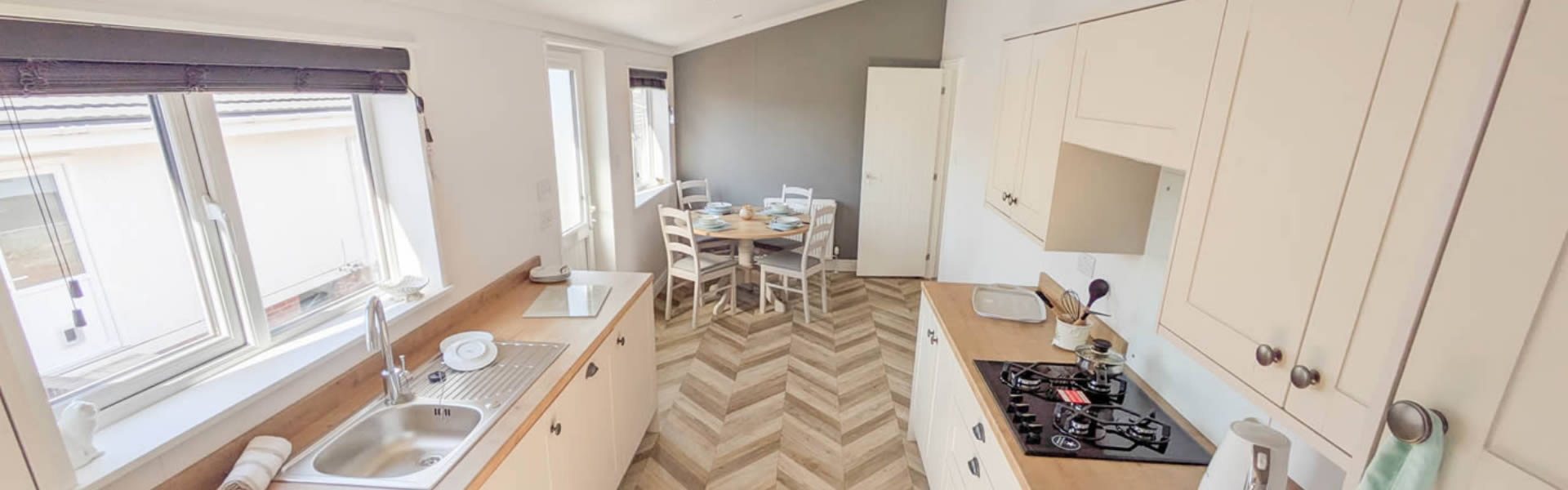
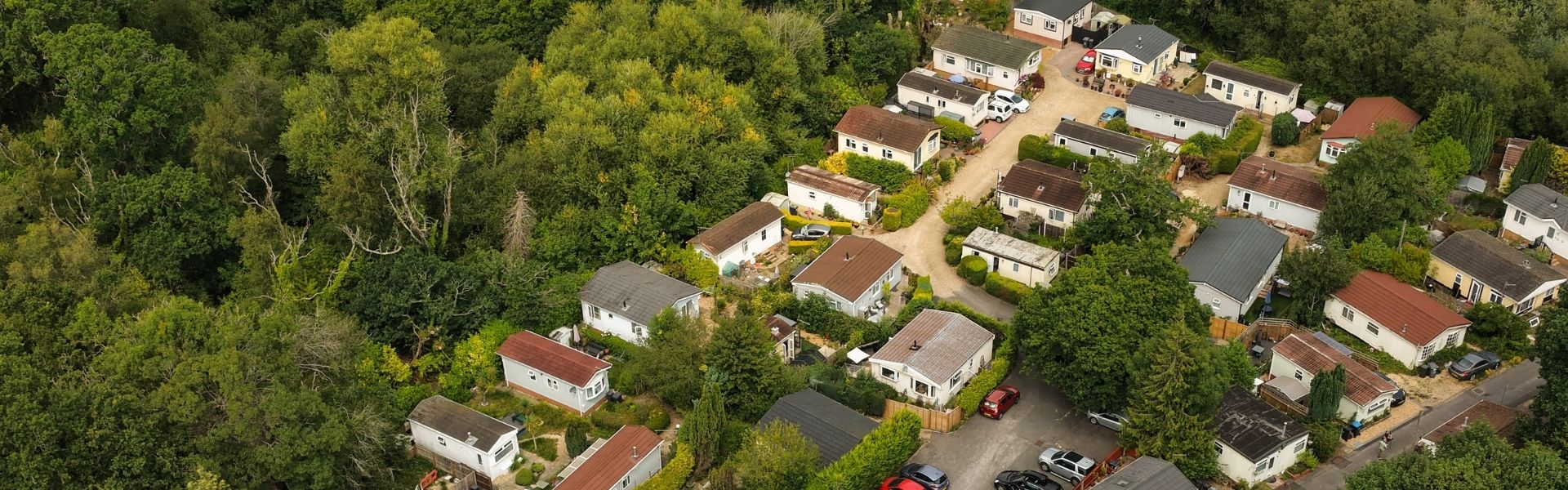
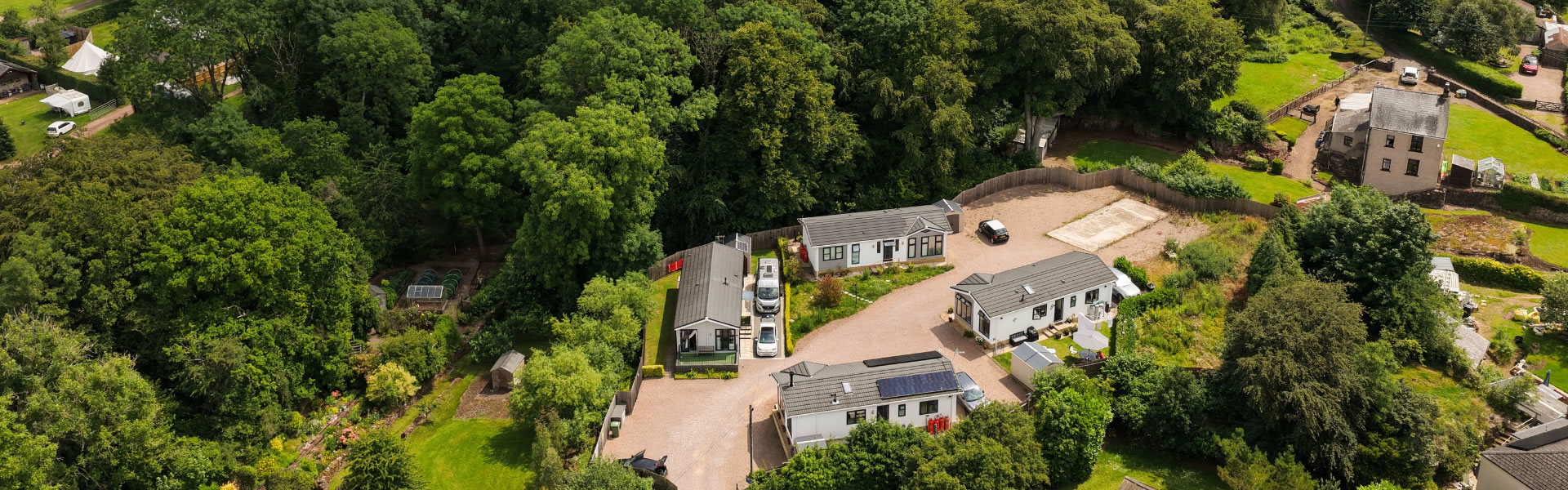
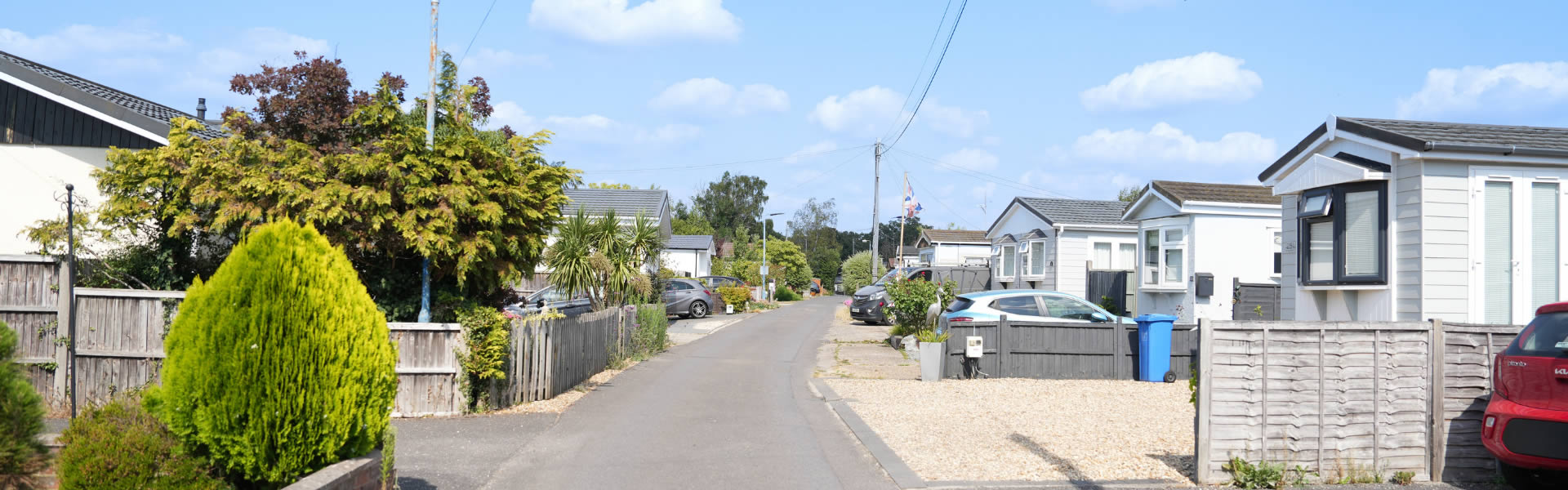
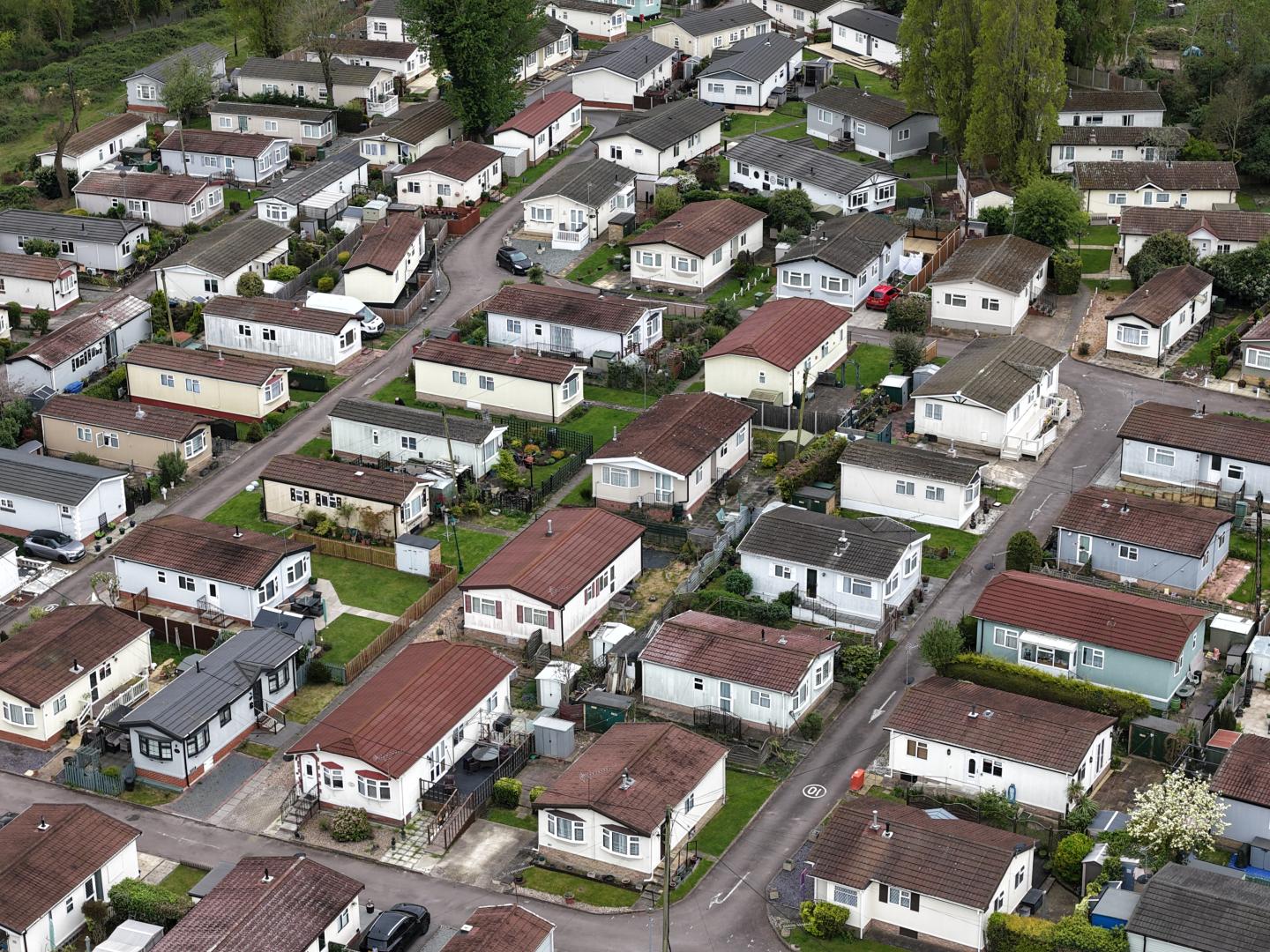
Residential park homes appeal because they are usually single storey, easier to manage, and cheaper to run than larger traditional properties. Lower maintenance needs. More manageable running costs. You do not want more space forever. Sometimes you want the right amount of space for the things you love. Warm. Manageable. Perfectly yours.
Fixed energy rates make budgeting feel steadier
One of the most stressful parts of the cost-of-living crisis has been not knowing what is coming next.
Wyldecrest Parks residents can lock in fixed energy rates, which gives you more certainty month to month. Elizabeth Best, Company Director at Wyldecrest Parks, says people in their 50s and 60s are calling with the same concern: how do they stop their bills going up every quarter?
The savings are worth looking at properly
Park home residents pay no stamp duty. They are generally in council tax Band A. Maintenance costs are lower than a traditional bricks and mortar home. Wyldecrest is also marking its 25th anniversary with a limited-time offer of just £25 pitch fees for 25 months, which the company says could save new buyers more than £8,000 against standard rates.
For someone on a fixed income, that kind of saving is not a small detail. It could cover moving costs. It could leave money for furniture, family visits, days out, or simply a more comfortable buffer in the bank each month.
Modern residential park homes are built to be easier and cheaper to heat. Good insulation, energy efficient heating, a compact layout, and minimal maintenance during colder months. No one wants to spend their 60s or 70s chasing roofers, worrying about damp patches, or heating bedrooms that nobody goes in. A smaller, well-planned home is a relief for a lot of people.
Community matters too
Cost starts the conversation, but it is rarely the whole reason people move.
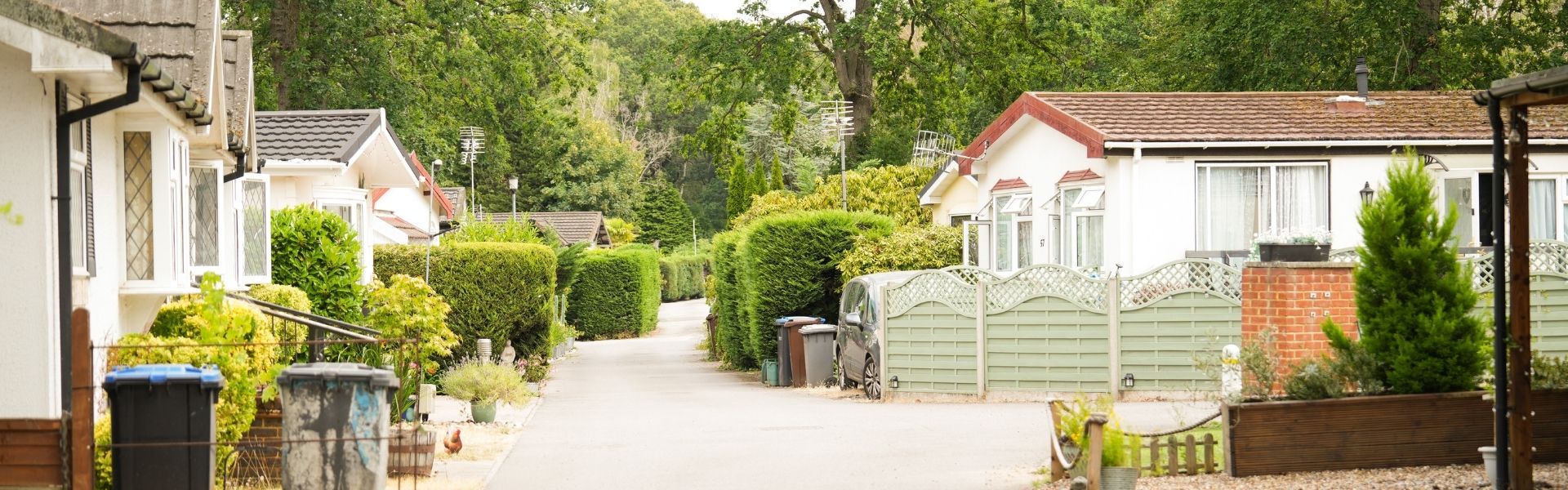
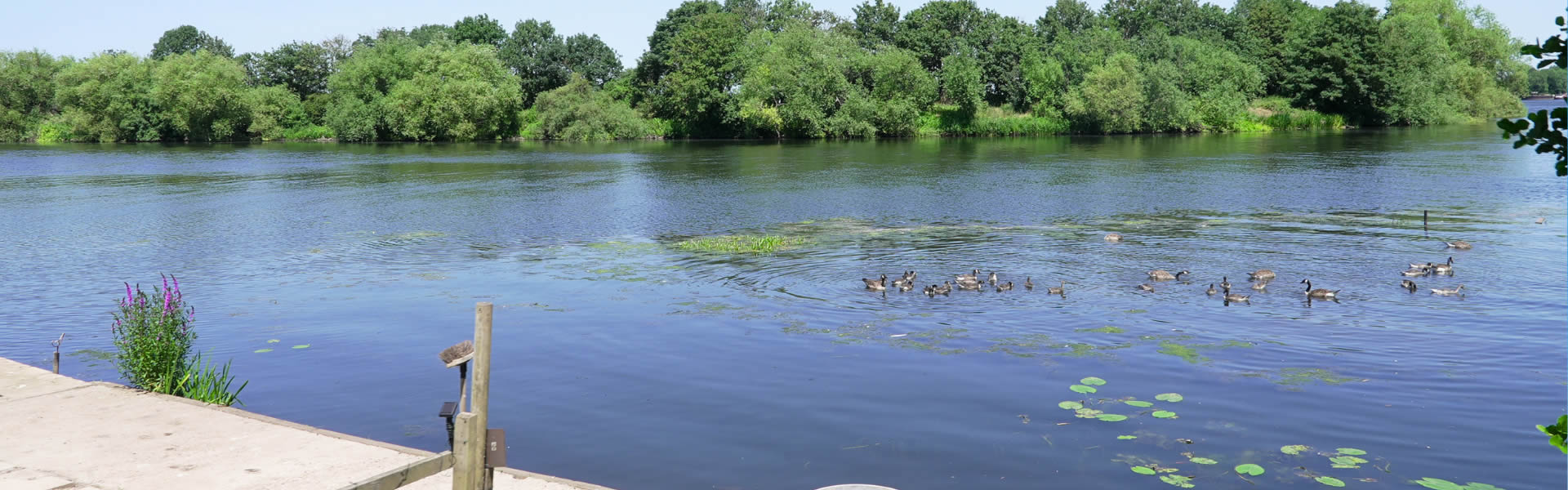
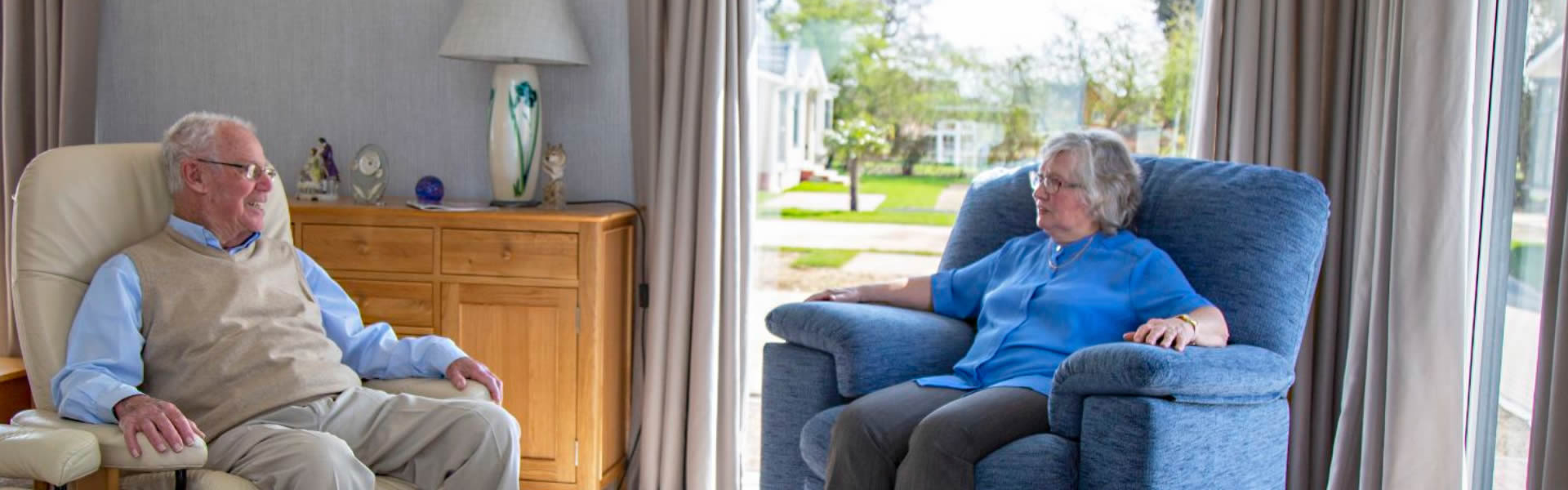
Many people looking at park home living also want a quieter setting and a real sense of community. Wyldecrest residential parks are designed for the over-45 lifestyle. Quiet. Safe. Well maintained. A community of people at a similar stage of life.
Moving does not have to mean months of stress. One of the biggest reasons people put off moving is the sale of their current home. Chains fall through and buyers change their minds. Months pass with nothing settled.
Wyldecrest offers a Part Exchange scheme, where the company buys your existing property as part of the move. This removes the need to wait on a traditional chain, cuts down on delays, and takes away a lot of the uncertainty. If you have already decided you want a simpler home, that makes the next step much easier to take.
Is park home living worth considering?
For many over-50s, the cost of living has made one thing clear. Staying put is not always the safe option.
Residential park home living offers lower running costs, fixed energy rates, no stamp duty, council tax Band A, less maintenance, and a home that is easier to live in every day. It can also mean a calmer setting and a community of people at a similar stage of life.
That is not a sales pitch. It is a practical reason to take a look.
Take a closer look
If rising bills have made you rethink your current home, speak to Wyldecrest Parks about residential park homes, Part Exchange, and current offers for pitch fees.
A viewing is often the best way to decide whether the lifestyle feels right. Walk around the park. Look inside the homes. Ask about the bills. Ask about the pitch fees. Ask the questions you would ask if you were making a serious life decision, because you are.