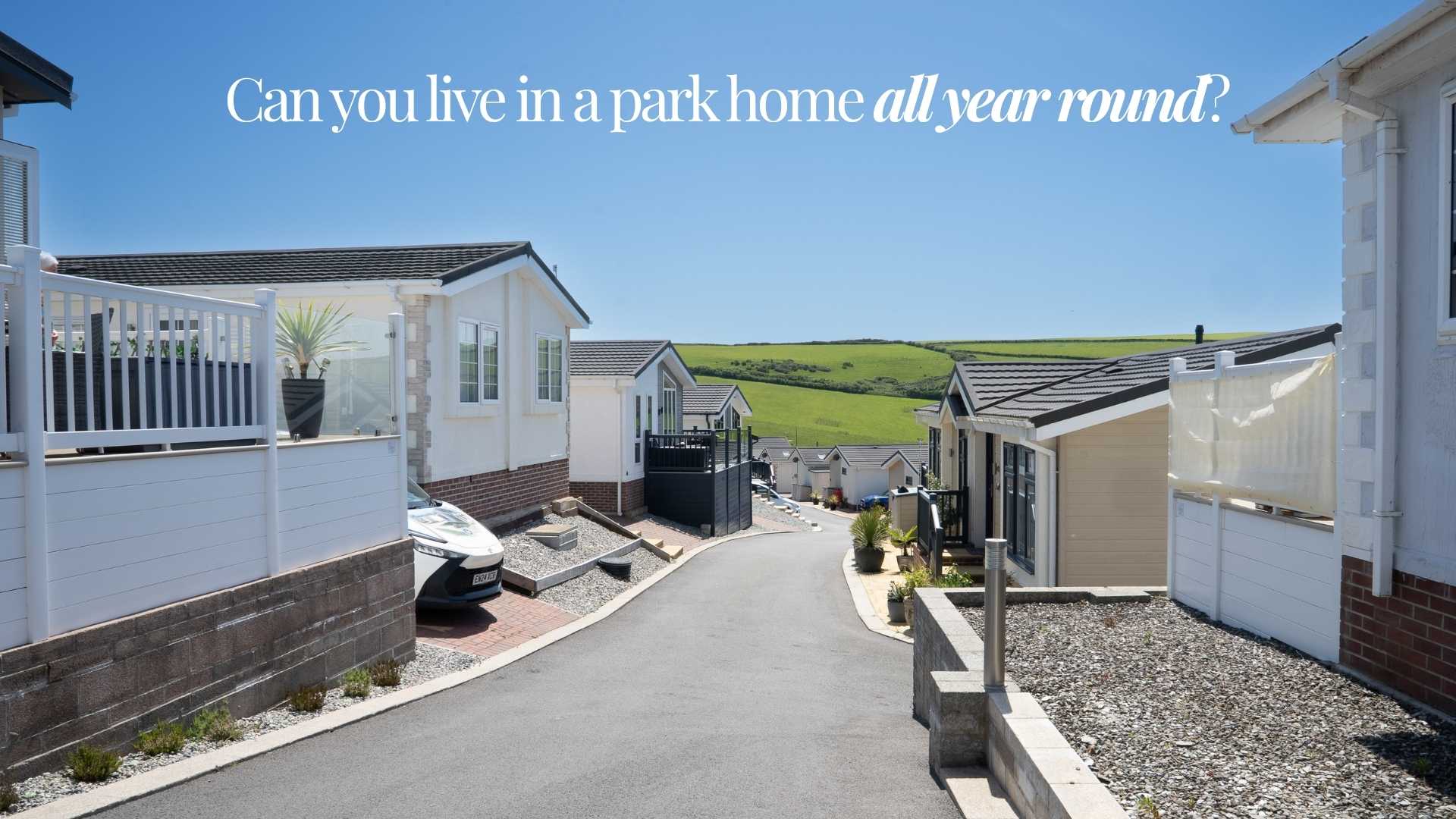
Can You Live in a Park Home All Year Round?
Yes. You can live in a residential park home all year round, and it can serve as your only permanent home. The answer rests on two details: the type of licence the park holds and the build standard of the home itself. A home built to BS 3632 on a park with a residential site licence gives you a legal and comfortable place to live through every season.
This article explains who can live in a park home permanently and what BS 3632 means for warmth. It also shows how to confirm a park allows year-round residence before you buy. We wrote it for anyone weighing up residential park home living as a smarter way to enjoy life and wanting clarity on the rules.
Key Takeaways
- A residential park home on a residential licence is a legal permanent address you can occupy 12 months a year.
- BS 3632 is the British Standard that governs warmth, insulation, glazing, and construction for year-round homes.
- Holiday parks carry a leisure licence and cannot be used as your sole or main residence.
- Always check the site licence and your written statement before you purchase.
What Makes a Park Home a Year-Round Home
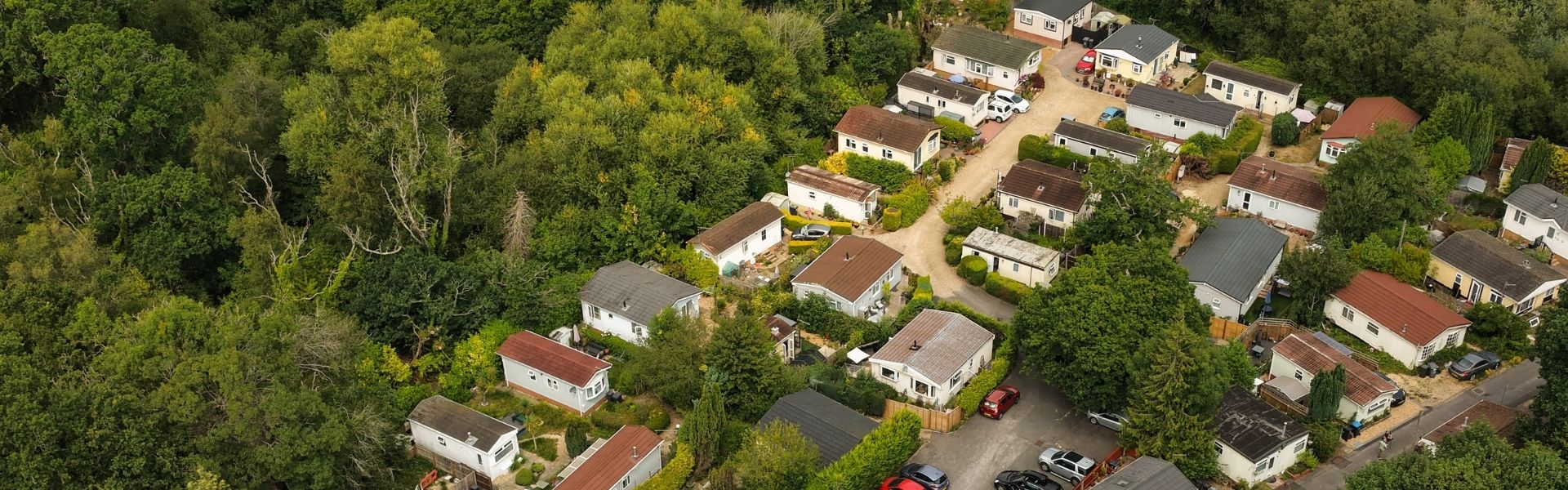
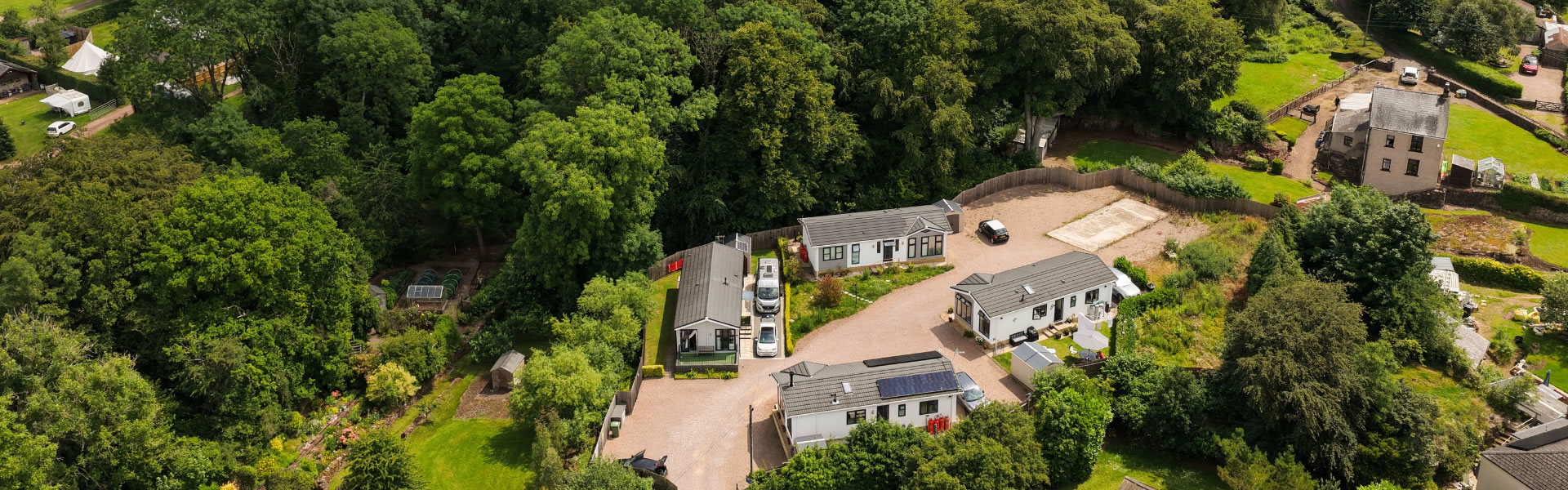
A residential park home is a factory-built single-storey home placed on a pitch within a licensed residential park, where you own the home and pay a monthly pitch fee for the land. Residential parks hold a licence from the local council that permits permanent occupation under the Caravan Sites and Control of Development Act 1968 and the Mobile Homes Act 1983.
Because the council grants the park a residential site licence, you register the address for council tax, the electoral roll, postal deliveries, and local services. You live there as your main home with the everyday rights you would expect from any settled address.
BS 3632: The Standard Behind Warm Winter Living
BS 3632 is the British Standard for residential park homes. It sets the requirements for insulation, heating, glazing, and structural performance so the home stays warm and dry across a full year.
A home manufactured to BS 3632 wraps the wall, floor, roof, and ceiling in insulation. It also fits double glazing and a central heating system. These features keep the home comfortable when temperatures drop, which is why councils accept BS 3632 homes for permanent residence. You can read a fuller breakdown in our guide to what BS 3632 means for your residential park home.
Running costs stay manageable too. Modern insulation holds heat well, and many residents find their winter energy use stays low. Our advice on reducing your bills through winter applies directly to park home living.
Residential Parks and Holiday Parks: The Licence That Decides It
Parks fall into two licence categories, and the licence decides whether you can live there permanently.
A residential park holds a licence for permanent residential use. You can stay 365 days a year and name it as your only home.
A holiday park holds a leisure or holiday licence. These parks often close for a short window each year, and they do not permit you to register the home as your sole residence. People use holiday homes for breaks and seasonal stays rather than full-time living.
Our guide on residential park homes and holiday homes sets out how each one works in detail.
How to Confirm a Park Allows Year-Round Living
Before you buy, check these points:
- Ask to see the park’s site licence and confirm it states residential use.
- Read your written statement, the legal document issued under the Mobile Homes Act 1983 that sets out your rights as an occupier.
- Confirm the home carries BS 3632 certification for year-round occupation.
- Check any age criteria, since many residential parks welcome residents aged 45 or over.
Browse our residential parks across the UK to see locations licensed for permanent living, or view the current park homes for sale.
Who Chooses Year-Round Park Home Living
Many residents are over 50s who want to downsize and lower their outgoings. The everyday savings suit people on a fixed retirement income who value a settled, low-maintenance home. Our breakdown of the cost of living for over 50s in park homes sets out where those savings come from.
Frequently Asked Questions
Can you live in a park home permanently?
Yes. A residential park home on a park with a residential site licence is a legal permanent home. You register it for council tax and the electoral roll, and you live there 12 months a year as your main address.
Are park homes warm enough in winter?
Yes. Homes built to BS 3632 include insulation, double glazing, central heating, and a sealed structure designed for year-round comfort, so they stay warm through the coldest months.
What is the difference between a residential and a holiday park home?
A residential park home is your permanent main residence on a residentially licensed park. A holiday home sits on a leisure-licensed park, and you cannot register it as your sole or main address.
Do you pay council tax on a park home?
Yes. Residential park homes are liable for council tax, usually in the lowest band, and residents also pay a monthly pitch fee for the land.
Is there an age limit for living in a park home?
Many residential parks set a minimum age, often 45 or 50. Policies vary by park, so confirm the criteria for any location you like.
Conclusion
So, can you live in a park home all year round? Yes. When the home meets BS 3632 and the park holds a residential licence, it becomes a warm, legal, and permanent home for every season. Confirm the licence and read your written statement. Check the build standard, and you can settle in with confidence. Explore why people choose a Wyldecrest residential park, or read the reasons to choose a residential park home to take your next step.