
The better choice depends on what you want from the move. Space matters, but so do upkeep, location, monthly costs and the way you want everyday life to feel. If you are already thinking about a smaller home, our guide to downsizing to a park home is a useful place to start.
Park Home vs Bungalow: The Main Difference
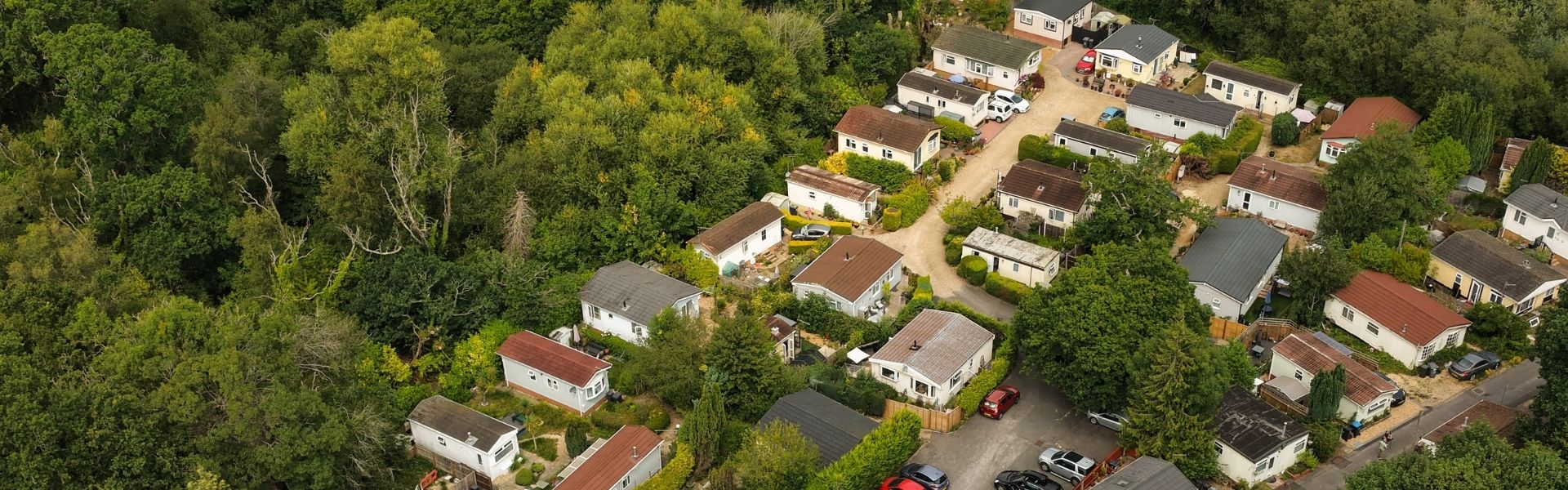
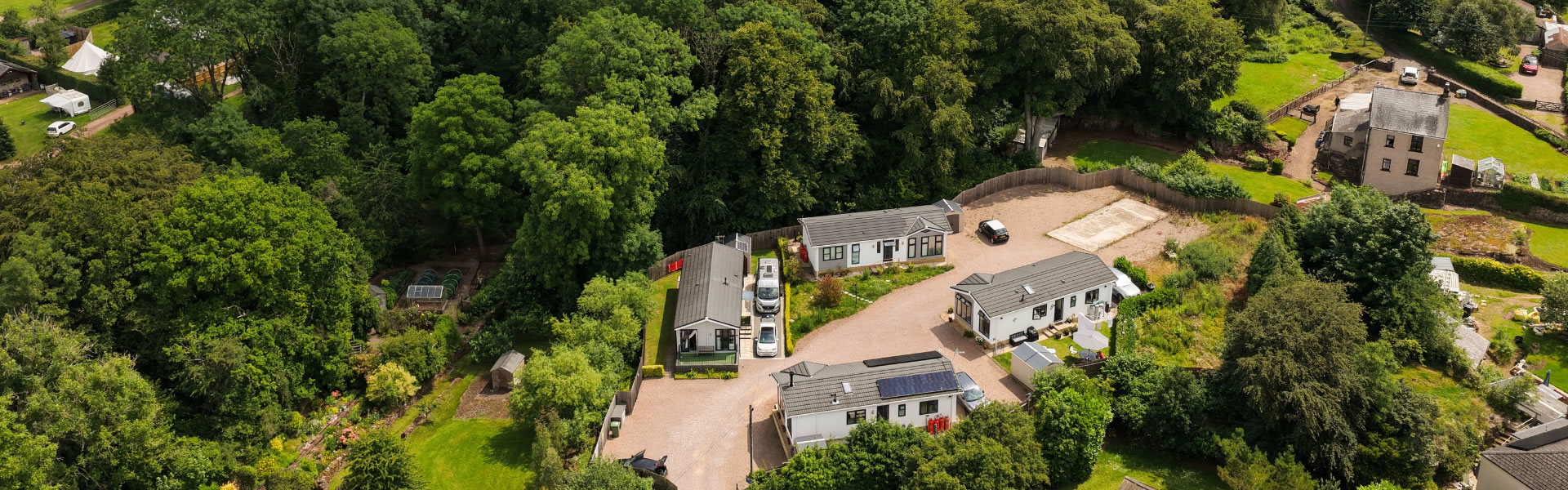
A bungalow is a conventional single-storey property, usually bought in much the same way as a house. A residential park home is a detached single-storey home positioned on a pitch within a licensed residential park. You own the park home itself, while the pitch is occupied under an agreement with the park owner.
Both can suit buyers who want to avoid stairs and simplify day-to-day living. The differences become clearer when you look at how much space you need, how much maintenance you want to take on and what you expect to spend.
Space: How Much Room Do You Really Need?
Bungalows often have the edge if floor space, large gardens, garages or several bedrooms are high on your list. They come in many shapes and sizes, from compact two-bedroom homes to much larger properties with generous plots.
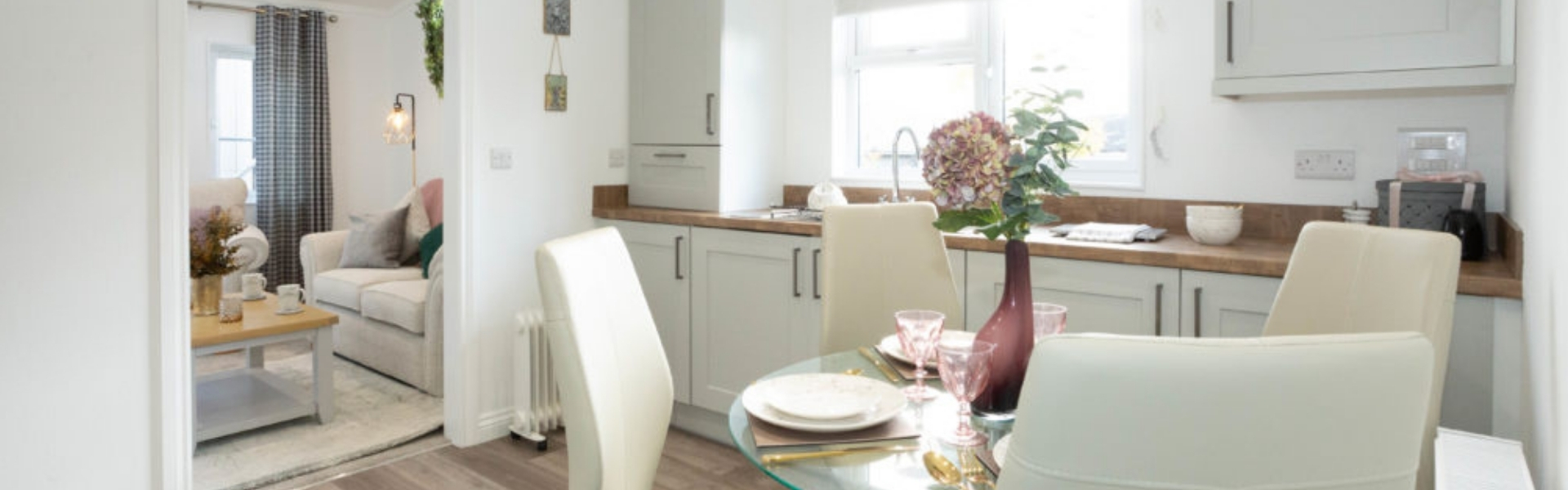
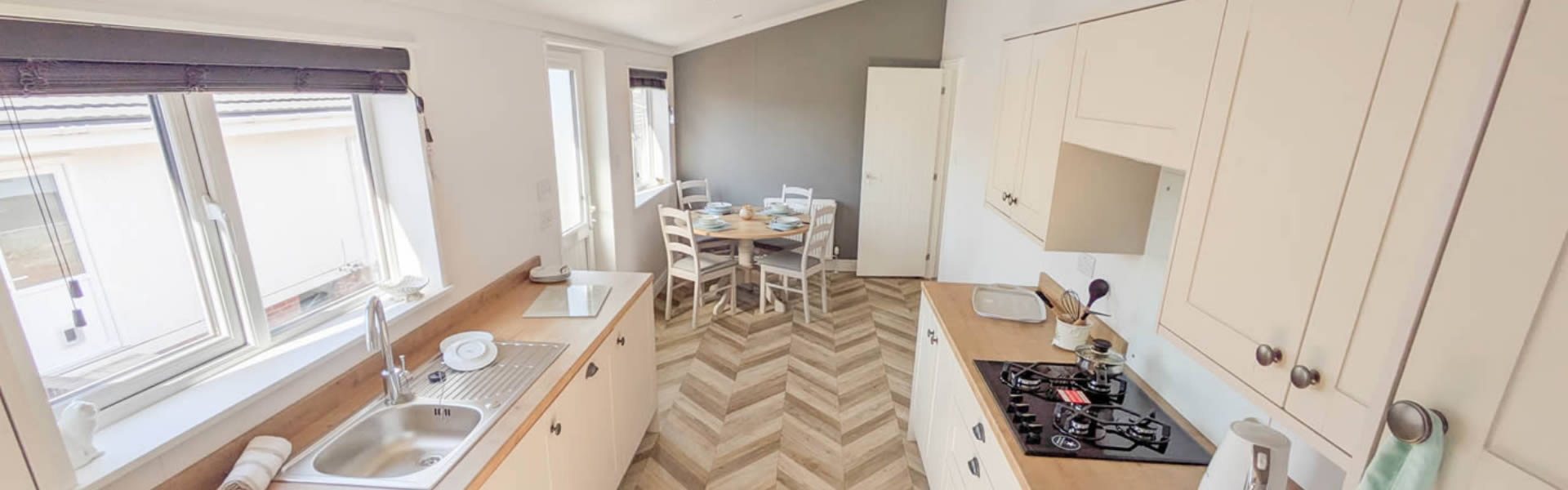
Park homes are usually more compact, but that can be part of the appeal. Modern layouts make good use of the available space, with open-plan living areas, fitted storage and one- or two-bedroom designs that are easier to keep organised. For someone moving from a large family house, the change can feel noticeable at first. For others, having fewer rooms to heat, clean and furnish is exactly the point.
Think about the rooms you actually use now. If the dining room has become somewhere to store boxes and the spare bedroom is occupied twice a year, paying for that extra space may no longer make sense.
Maintenance: Which Home Is Easier to Look After?
A bungalow removes the issue of stairs, but it can still come with all the usual responsibilities of a conventional property. Roof repairs, guttering, fencing, driveways, larger gardens and exterior upkeep all remain yours to manage.
A park home still needs care. The exterior, roof, seals, heating system and any decking should be checked and maintained, and the garden will need attention. The difference is often scale. A smaller home and a more manageable plot can mean less time spent on routine jobs and less need to keep equipment for a large garden.
If reducing chores is one of the main reasons for moving, look beyond the number of storeys. Compare the size of the plot, the age and condition of the home, and how much outside work you would realistically want to do five or ten years from now.
Location: Street Address or Residential Park?
Bungalows can be found in towns, villages, suburbs and rural areas, so the range of locations is wide. That can make them a better fit if you need to stay within a very specific neighbourhood or close to a particular road, school or workplace.
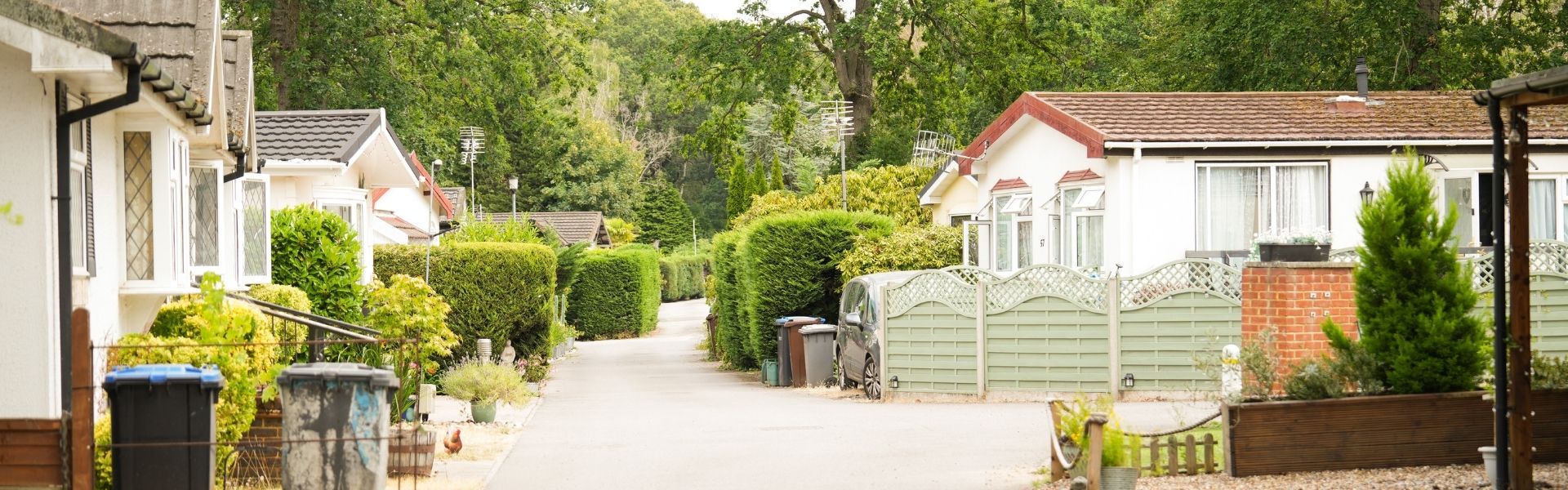
Residential parks are more selective by nature. Many are in quieter settings, including countryside and coastal locations, and some have minimum-age criteria. That can suit people who are no longer tied to the school run or daily commute and would rather prioritise peace, scenery or a slower pace.
Location still needs a practical check. Before choosing either type of home, look at access to a GP, pharmacy, shops, public transport and family. A beautiful setting is much less useful if every regular journey becomes a nuisance.
Lifestyle: Privacy, Community and Day-to-Day Living
A bungalow gives you the familiar independence of living on an ordinary residential street. You may have neighbours of all ages and backgrounds, with as much or as little interaction as the area naturally brings.
Park-home living can feel more community-focused. People often move for similar reasons: to downsize, reduce upkeep, release money from a previous property or enjoy a quieter chapter of life. That shared ground can make it easier to get to know neighbours without turning the park into a place where everyone is expected to socialise.
There are also park rules to consider. These can cover matters such as parking, pets, visitors or alterations. Read them before you commit. The right park should suit the way you already live, rather than asking you to change habits that matter to you.
For a closer look at the day-to-day side, read about park home living and the lifestyle it can offer.
Cost: Purchase Price Is Only Part of the Comparison
Cost is often where the difference attracts the most attention. In many areas, a residential park home can be priced below a comparable bricks-and-mortar bungalow. That may allow some buyers to move without taking on as much debt, or to release money from the sale of a larger property.
But the headline purchase price is only one part of the calculation. With a park home, you will normally pay a pitch fee to the park owner and should budget for utilities, council tax, insurance and maintenance. With a bungalow, there is no pitch fee, but purchase prices can be higher and a larger building or garden may cost more to maintain over time.
Financing can differ too. Conventional mortgages are widely used for bungalows, while park homes are not usually funded in exactly the same way. Buyers who need finance should check their options early rather than assuming the process will mirror a house purchase.
It helps to compare the full monthly picture, not just the price on the listing. Our article on the cost of living and park home living for over-50s covers some of the regular expenses worth thinking about.
Which Is Better for Downsizing?
If downsizing is mainly about getting rid of stairs while keeping plenty of rooms, a garage and a larger private garden, a bungalow may be the more natural fit.
If the aim is to simplify further, a park home can make a lot of sense. The smaller footprint, manageable outdoor space and park setting can reduce the amount of home you need to look after. Some buyers also like the chance to move to a location they might not have considered when they were tied to work or family routines.
There is no prize for downsizing as far as possible. The right move is the one that leaves you with enough room for the life you actually lead.
Park Home or Bungalow: A Simple Way to Decide
Start with your non-negotiables. A bungalow may suit you better if you want maximum choice of location, conventional property ownership, more space or easier access to mainstream mortgage lending.
A residential park home may suit you better if you want a lower-maintenance lifestyle, a more compact home, a community setting and the possibility of spending less than you would on a comparable bungalow in the same wider area.
Then view both. Floor plans and prices only tell part of the story. Walk around the park, visit the local area and imagine an ordinary Tuesday there, not just moving day. If park-home living is on your shortlist, you can also read our guide to buying a new residential park home.
Frequently Asked Questions
Is a park home cheaper than a bungalow?
It can be, particularly when comparing homes in the same broad area, but prices vary by location, size, specification and condition. Compare ongoing costs as well as the purchase price, including the pitch fee for a park home and the likely maintenance costs of either property.
Do park homes have less space than bungalows?
Usually, yes. Park homes tend to be more compact and are designed to use space efficiently. If you need several bedrooms, a large garage or a substantial garden, a bungalow may give you more choice.
Which is easier to maintain?
A park home can be easier to manage because the home and plot are often smaller. A bungalow removes stairs but may still come with a larger roof, garden, driveway and boundary to maintain.
Are park homes suitable for permanent living?
Residential park homes on appropriately licensed residential parks are intended for year-round living. Check the park’s residential status and your agreement before buying rather than assuming every park home or lodge can be occupied permanently.
Which is better for retirement or later-life living?
Both can work well. The better fit comes down to how much space you want, where you want to live, how much upkeep you are comfortable with and whether you prefer a conventional residential street or a park community.