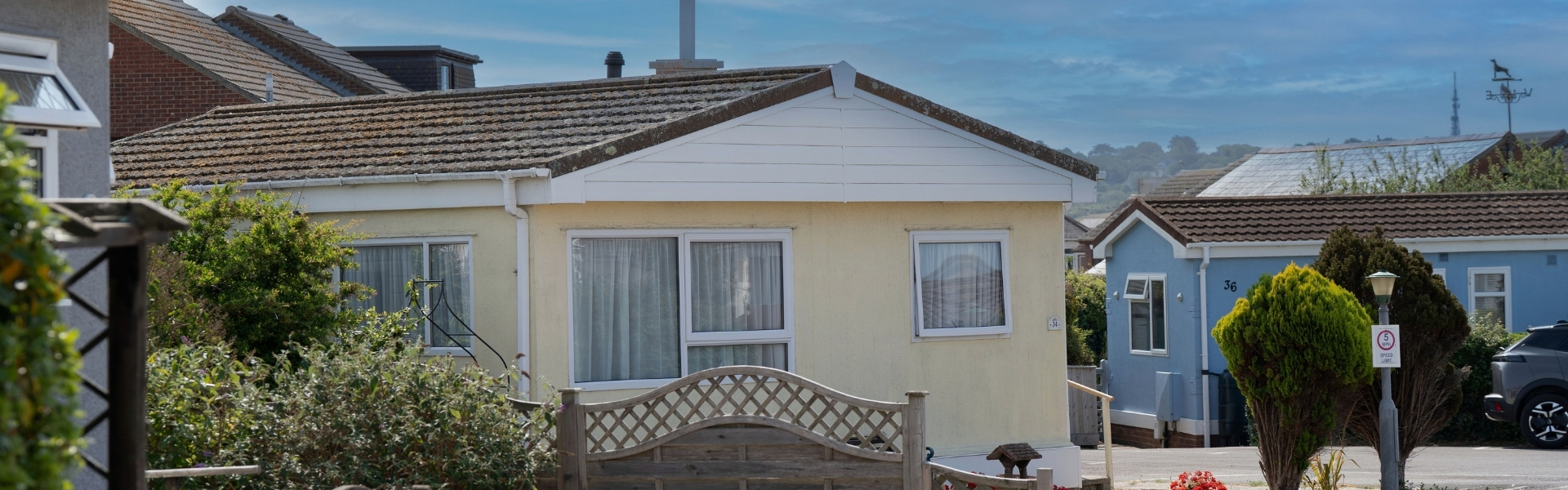
But that is only half the story. For many people, moving from a larger property to a residential park home is really about changing what their home asks of them. Less time maintaining it, less space sitting unused, and more freedom to spend time elsewhere.
If you are considering park homes for sale, it helps to look beyond the square footage. The more useful question is: what could you gain from living differently?
You Gain Back Time
A bigger home often comes with a bigger list of jobs. More rooms to clean, more decorating, more gutters, more garden, and more little repairs that somehow appear just as you finish the last one.
A park home is generally more manageable. You still have a home to look after, of course, but the scale is different. A Saturday does not have to disappear into maintaining rooms you barely use.
That extra time is easy to underestimate. It might mean seeing family more often, travelling, taking up a hobby, getting out for the day, or simply enjoying a slower morning without a list of household jobs waiting.
You Gain Space That Actually Works for You
People sometimes hear “downsizing” and picture cramped living. A well-designed residential park home can feel very different from that.
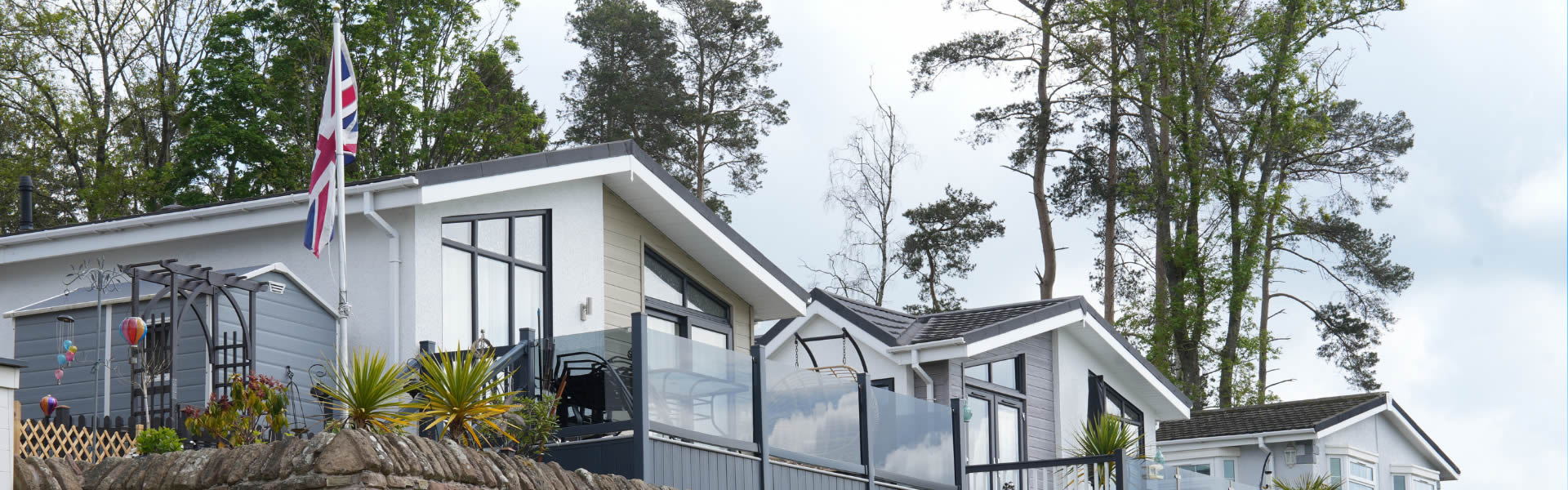
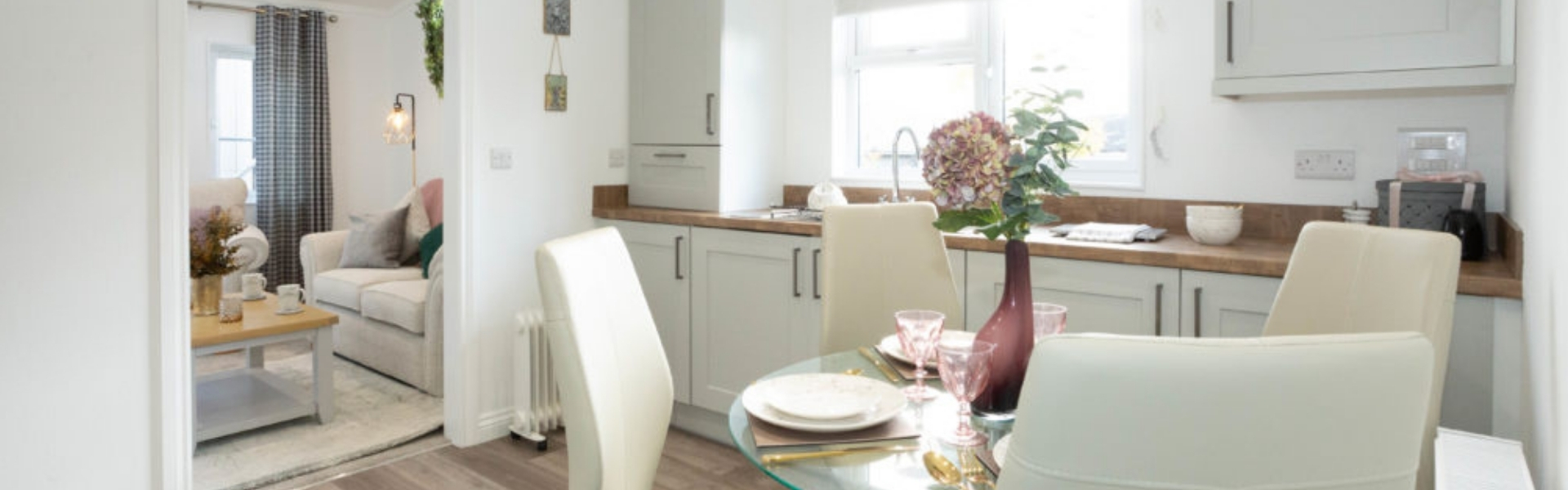
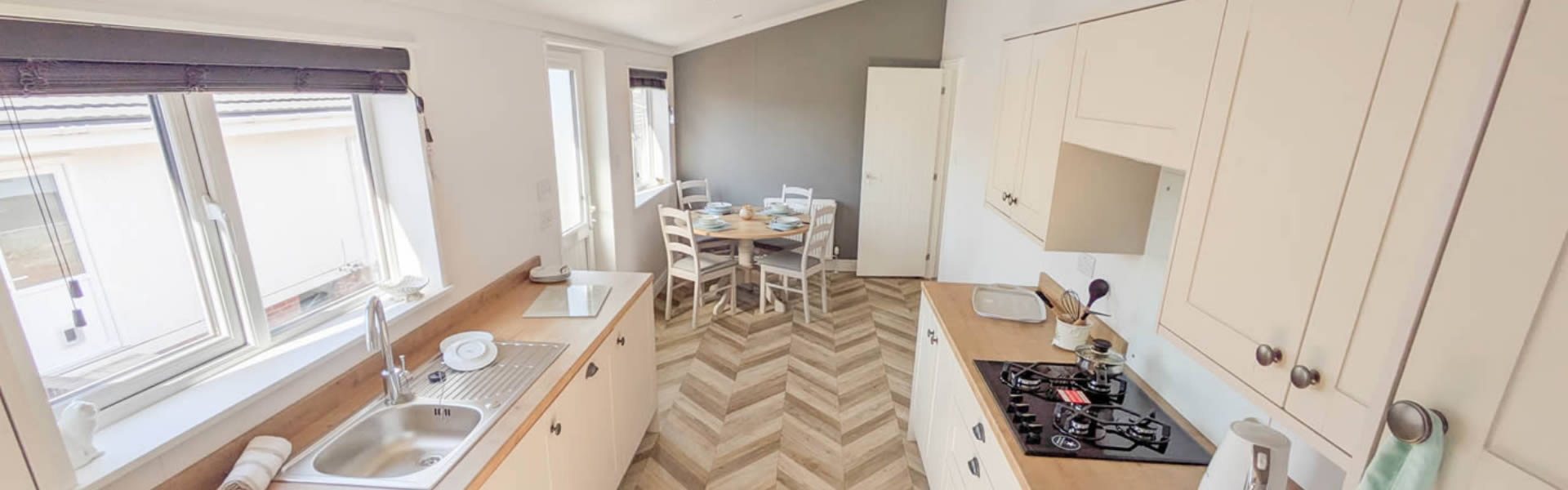
Modern homes are designed around everyday living. Open-plan kitchens, comfortable lounges, practical storage and well-planned bedrooms make the space earn its keep. You are not paying for a spare bedroom that has quietly become a storage room or a large hallway that serves no real purpose.
The aim is not to squeeze your life into a smaller box. It is to keep the parts of a home you use and enjoy.
You May Gain More Financial Flexibility
Moving from a higher-value house to a park home can, depending on the value of the property you sell and the home you buy, release some of the money tied up in your property.
That can change the options available to you. Some people want a larger financial cushion. Others want money for travel, family, hobbies or simply greater breathing room month to month.
There are still ongoing costs to budget for, including pitch fees, utilities, insurance and normal household expenses, so it is important to compare the full picture rather than focus on the purchase price alone.
If selling your current property is the part that feels complicated, Wyldecrest Parks also offers a part exchange scheme that may help simplify the move for eligible buyers.
You Gain a Different Kind of Neighbourhood
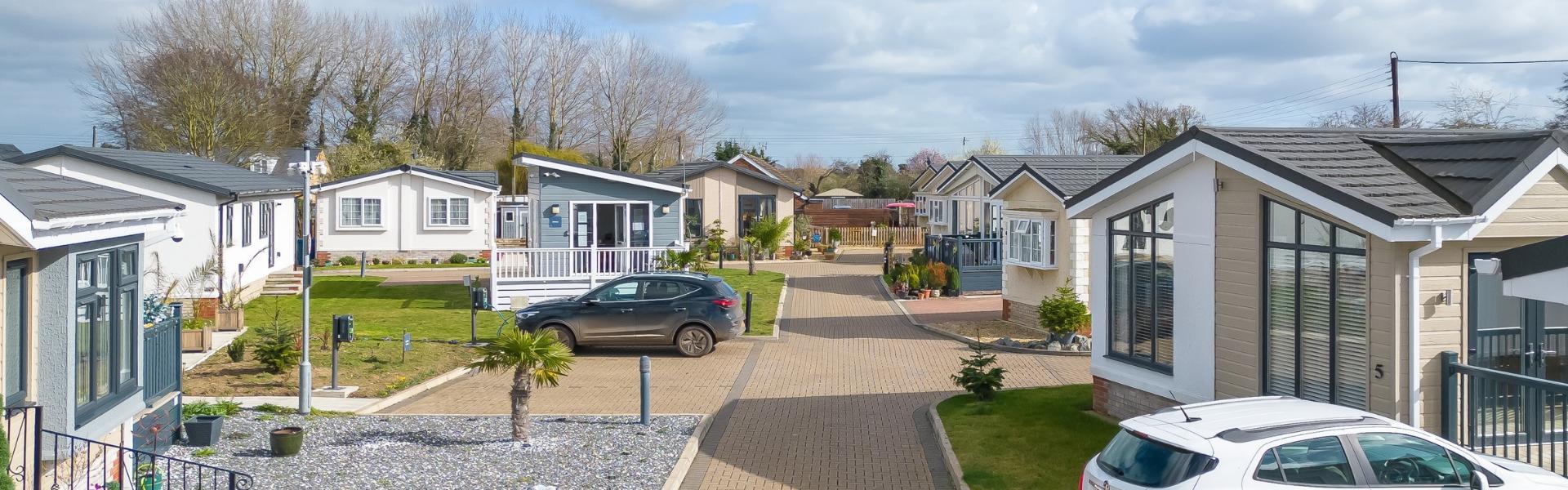
Residential park living is not the same as moving onto a conventional housing estate. Parks tend to have their own rhythm. Homes are close enough for neighbours to know one another, but you still have your own front door, your own space and your own routine.
For someone leaving a house where the street has changed over the years, that can be a meaningful part of the move. You are not only choosing a home. You are choosing the setting around it.
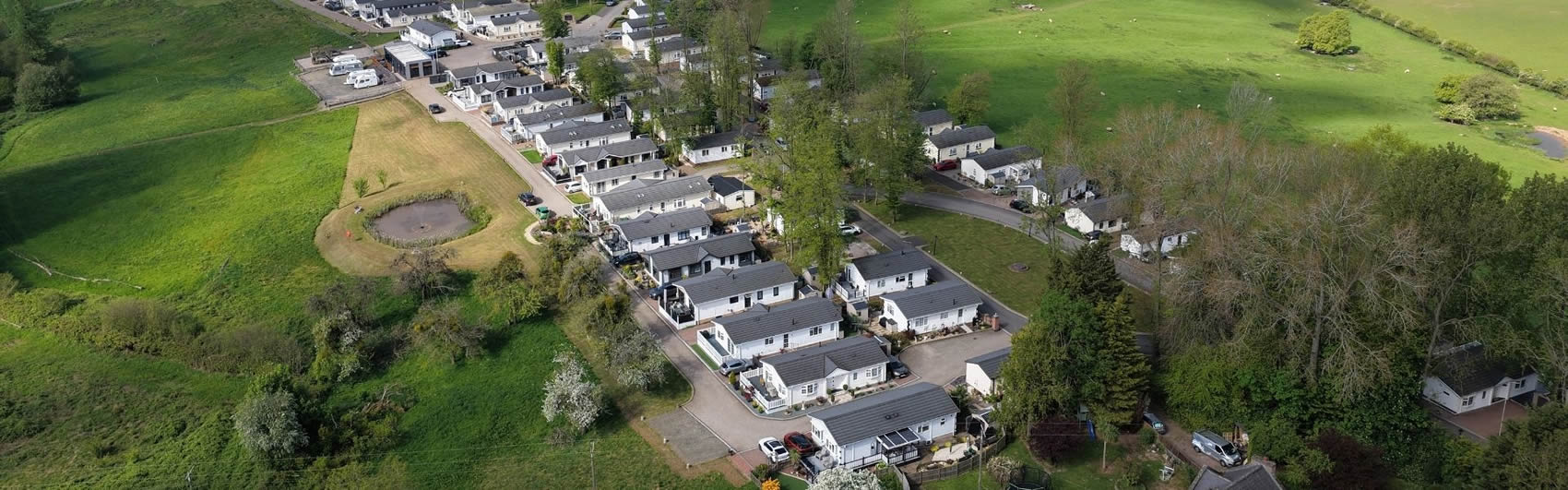
That is why visiting in person matters. Walk around. Listen to how quiet or busy it feels. Look at the spacing between homes. Speak to the park team and, where possible, get a sense of the community before deciding whether it suits you.
You Gain the Chance to Choose Location Again
Many people stay in a house because life put them there years ago. Work was nearby. Children were at school. Family commitments dictated the postcode.
Once those reasons change, you can ask a different question: where would I actually like to live now?
That might mean being closer to the coast, nearer family, further into the countryside or simply somewhere quieter. Wyldecrest Parks has residential parks across the UK, so the move can be as much about changing location as changing property type.
You Gain a Home Chosen for the Life You Have Now
A family house often tells the story of an earlier stage of life. The extra bedrooms made sense. The big garden was useful. Being near a certain school or commuting route mattered.
Years later, some of those features can become obligations rather than benefits.
Moving to a park home gives you the chance to choose around your current priorities instead. How much space do you actually want? Would you rather have a modern kitchen than three spare bedrooms? Would a smaller garden be a relief? Do you want somewhere that can be locked up more easily when you go away?
Those are practical questions, but together they can make everyday life noticeably simpler.
What Do You Give Up?
There are trade-offs. You may have less storage, fewer rooms for overnight guests and less scope for major extensions or alterations. Residential park living also comes with park rules and a pitch agreement, so it is important to understand how the park operates before buying.
If your current home is full of possessions, the sorting stage can be emotional as well as practical. Downsizing tends to force decisions that a larger house lets you postpone.
None of that makes the move wrong. It just means the best decision comes from comparing the reality of both lifestyles rather than idealising either one.
So, What Do You Actually Gain?
For the right person, the biggest gain is not necessarily money or even a newer home. It is having a property that fits the way you want to live now.
Less unused space. Fewer jobs. A fresh location. A more manageable home. Potentially more financial flexibility. And, perhaps most importantly, more time for the parts of life that do not involve maintaining a house.
If that sounds closer to what you want from your next move, start by browsing residential homes currently available or arrange a park visit to see what the lifestyle feels like in person.
Frequently Asked Questions
Is a park home suitable for downsizing?
For many buyers, yes. Park homes can offer a more manageable amount of space while still providing the rooms and features needed for comfortable everyday living. The key is choosing a layout that suits your routine and storage needs.
Can moving to a park home release equity from my house?
It can, but it depends on the sale value of your existing property and the total cost of your new home and move. Work through the figures carefully, including ongoing park and household costs, before making a decision.
Will I still have my own garden?
Many residential park homes have their own outdoor space or garden area, although size and layout vary by park and plot. Check the individual home and park before buying.
Should I visit a residential park before deciding?
Yes. A visit lets you see the home, understand the layout of the park and decide whether the location and atmosphere suit the way you want to live.