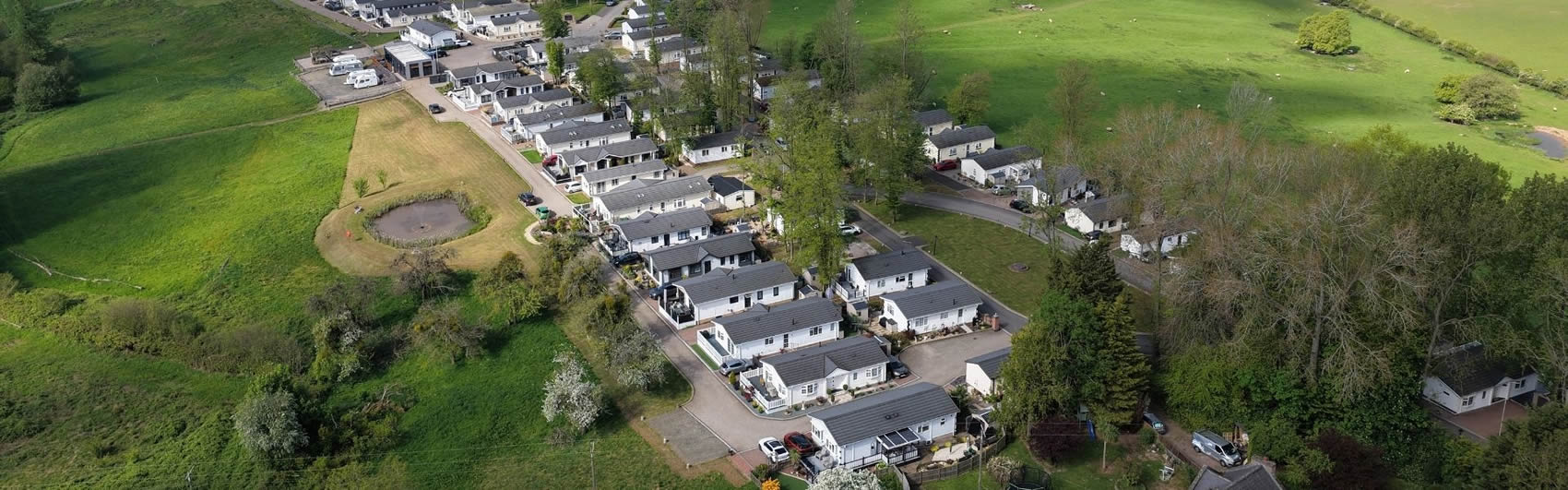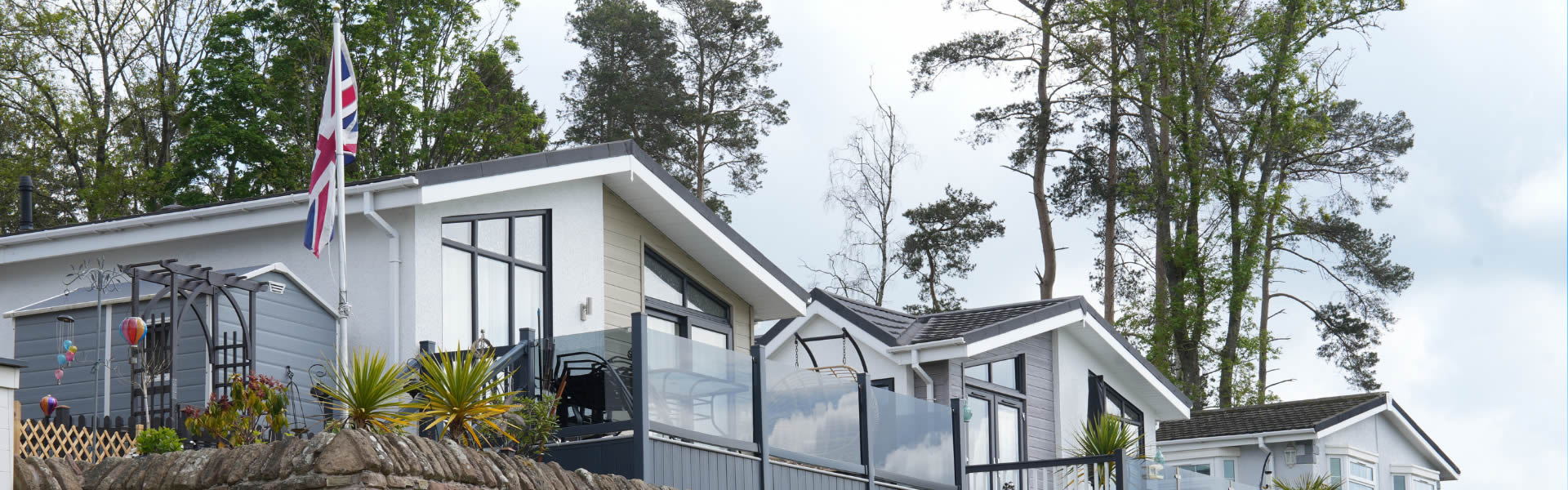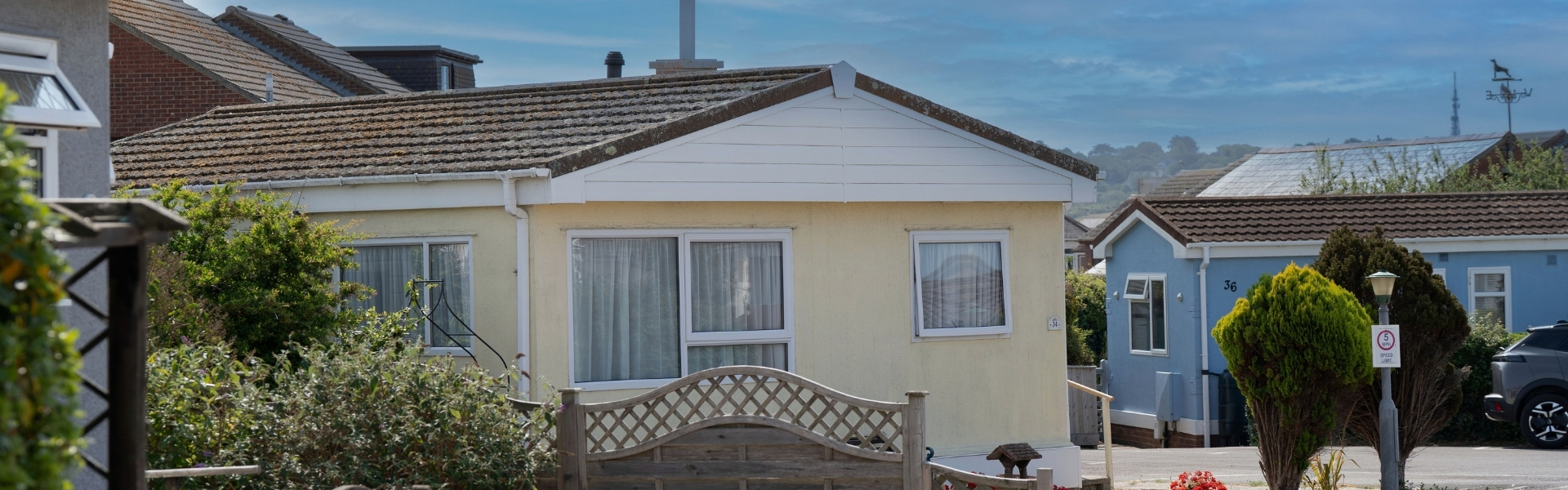
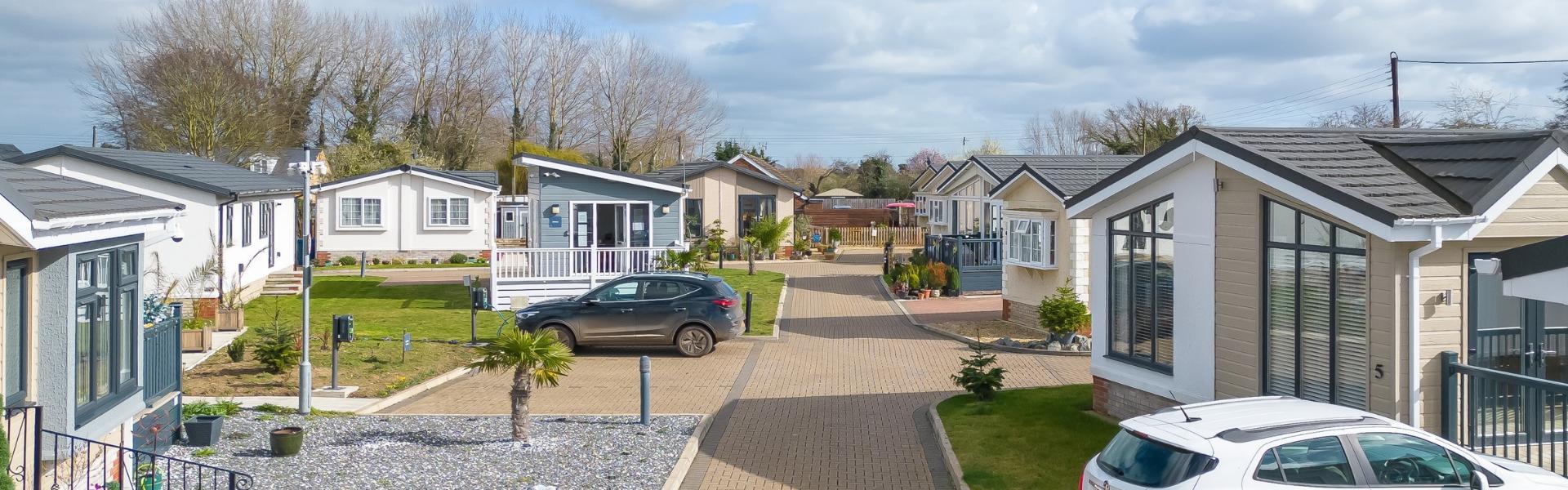
Those questions are understandable, but many are based on an outdated picture of what residential park home living looks like today. If you are considering downsizing, freeing up equity or simply moving somewhere that suits the way you want to live now, it is worth separating the facts from the myths.
Myth 1: A park home is basically a caravan
This is probably the biggest misconception of the lot.
A modern residential park home is designed as a permanent home, not as a touring caravan or short-stay holiday unit. Residential homes built to BS 3632 are constructed specifically for year-round occupation, with requirements covering areas such as insulation, ventilation and energy efficiency.
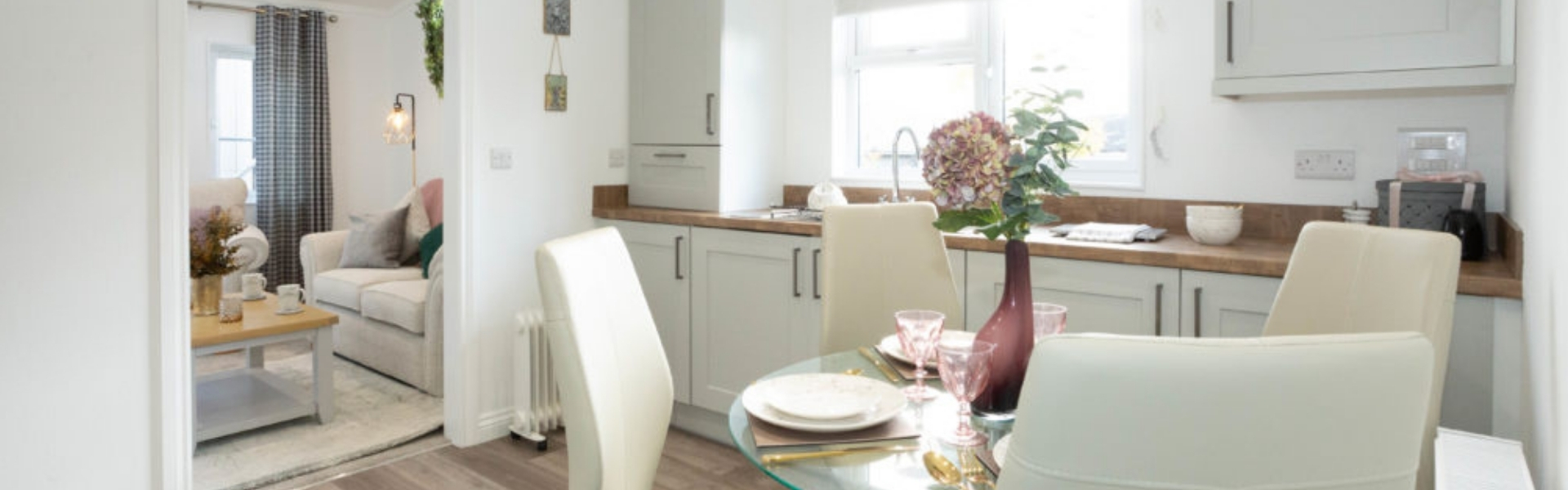
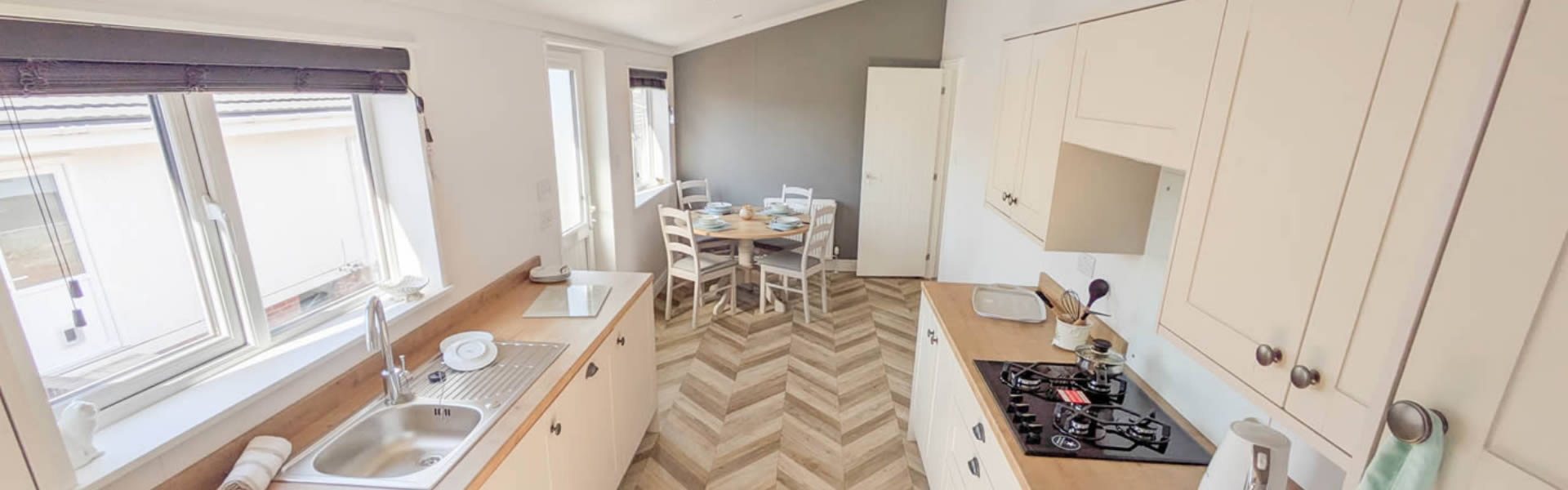
Step inside one and the difference becomes obvious. Many modern park homes have fitted kitchens, spacious living areas, full-size bathrooms, double bedrooms, central heating and layouts designed around everyday life.
If you want to understand the technical side in more detail, our guide to what BS 3632 means for your residential park home explains why the standard matters.
Myth 2: You cannot live in a park home all year
You can, provided you are buying on a residential park with the correct site licence and the home is intended for permanent residential use.
The confusion usually comes from holiday parks. A holiday home and a residential park home may sometimes look similar from the outside, but they are used for different purposes. Holiday parks are for recreational use and can have restrictions on how and when a property is occupied. Residential parks are designed for people to make the park their main home.
That distinction matters. Before buying, always check the park’s status and understand the agreement that applies to your pitch. Our guide comparing residential park homes and holiday homes covers the key differences.
Myth 3: You do not really own your park home
You own the park home itself. What you do not normally own is the land beneath it.
Instead, the home sits on a pitch within the park and the homeowner pays a pitch fee to the site owner. Residential park homeowners are also given a written statement setting out the terms of the agreement, with rights and responsibilities governed by relevant legislation including the Mobile Homes Act 1983.
For many people, this arrangement feels unfamiliar simply because it is different from buying a traditional freehold house. Different does not mean unclear. The important part is understanding what you own, what the pitch fee covers and the terms that apply before you buy.
Myth 4: Park homes are only for people who cannot afford a house
Price is certainly one reason people consider park home living, but it is far from the only one.
Many buyers are already homeowners. They are choosing to downsize from a larger property because they no longer need the space, want less maintenance or would rather use some of the equity tied up in their current home elsewhere.
For someone whose children have moved out, who is approaching retirement or who simply wants a more manageable home, that can be a practical lifestyle decision rather than a compromise.
Park home living can also put locations within reach that may be expensive in the traditional housing market, including coastal and countryside settings. Our guide to downsizing to a park home looks at some of the reasons people make the move.
Myth 5: You lose your privacy because everyone lives on top of each other
A good residential park can give you something many traditional streets struggle to offer: neighbours nearby without losing the feeling that your home is your own.
Yes, community is a big part of park life. People often know their neighbours, stop for a chat and keep an eye out for one another. But that does not mean you are expected to spend every day socialising.
You can be as involved as you want to be. Some residents enjoy park events, clubs and regular catch-ups. Others prefer a quieter routine and value simply knowing there are familiar faces close by.
For people moving from a large family home or an area where neighbours rarely speak, that balance can be one of the most noticeable changes. You can read more about friendships and community at Wyldecrest Parks.
So, what is park home living actually like?
It is not the right move for everybody, and it should never be sold as though it is.
But for people who want a single-storey home, lower day-to-day maintenance, a stronger sense of community or a change of pace, residential park living can make a great deal of sense.
The best way to decide is not to rely on assumptions, good or bad. Visit a residential park. Walk around it. View a few homes. Ask about pitch fees, park rules, the written statement and what day-to-day life is actually like.
That gives you something far more useful than another opinion online: a proper feel for whether the lifestyle suits you.
Frequently Asked Questions
Are residential park homes suitable for permanent living?
Yes, when the home is on a residentially licensed park and is designed for permanent occupation. Homes built to BS 3632 are specifically designed for year-round residential use.
Do I own a residential park home?
You own the park home itself. The home normally sits on a pitch owned by the park operator, and you pay a pitch fee under the terms of your written agreement.
Are park homes the same as holiday homes?
No. Residential park homes are intended to be used as a main residence on an appropriately licensed residential park. Holiday homes are intended for recreational use and may have occupancy restrictions.
Is park home living only for retired people?
No. Individual parks can have their own age criteria, but people choose residential park homes for many reasons, including downsizing, lower maintenance, releasing equity and wanting a different pace of life.
How can I tell whether park home living is right for me?
Arrange a park visit and view the available homes in person. Ask about the pitch fee, park rules, age criteria, services and written agreement, then spend some time exploring the park and surrounding area before deciding.