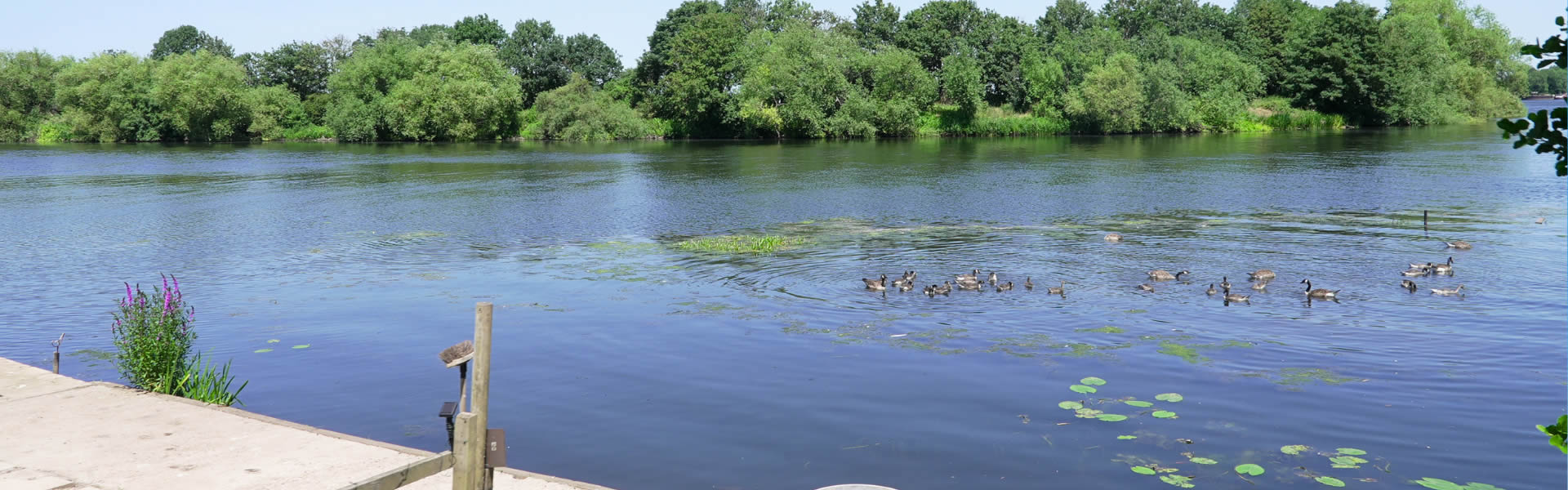
The best approach is usually the simplest: provide food, water, shelter, and safe routes without trying to tame wild animals or disturb their natural behaviour.
Plant With Wildlife in Mind
Flowers, shrubs, and herbs give insects somewhere to feed and birds somewhere to shelter. Choose a mix of plants that flower at different times of year, so there is something available from early spring into autumn. Lavender, thyme, foxgloves, and buddleia are familiar choices, while berry-bearing shrubs can offer food later in the season.
You do not need a big plot. Pots, window boxes, and a small border can all help. Our guide to gardening in small spaces has more ideas for making the most of a compact outdoor area.
Put Out Fresh Water
A shallow dish of clean water is useful for birds, insects, and small mammals, especially during warm or dry weather. Add a few stones so insects can land safely, place the dish somewhere with a clear view, and change the water regularly.
In winter, check it each morning and break any ice. Avoid using salt, antifreeze, or other chemicals, as these can harm animals.
Feed Birds Carefully
Bird feeders can be a pleasure to watch, but they need regular attention. Use suitable bird food, clear away old scraps beneath the feeder, and wash feeders and water containers often. Moving feeding points from time to time can also stop waste from building up in one spot.
Try not to leave out large amounts of bread or cooked food. It has little nutritional value for birds and may attract rats or other unwanted visitors. Small quantities of fresh, appropriate food are better than an overflowing feeder.
Leave a Little Shelter
A perfectly tidy garden is not always the most useful one for wildlife. A small pile of leaves, a few logs tucked behind a shed, or a patch of longer grass can give insects and small animals somewhere to hide. Seed heads left standing over winter can provide food too.
Keep these areas contained and away from paths, doors, and shared spaces. The aim is to create a quiet corner, not a hazard or a mess for neighbours.
Make Gardening Safer
Before cutting a hedge, moving a log pile, or clearing thick growth, take a moment to check for nests and animals. Hedgehogs can sleep under leaves or garden materials, while birds may nest in surprisingly low or busy spots.
Limit pesticides and slug pellets where possible. They can affect more than the pest you are trying to control. Hand-picking, barriers, companion planting, and keeping plants healthy are gentler options for a small garden.
Keep Routes Open
Wildlife needs to move between gardens and green areas. Where park rules allow, a small gap at the base of a fence can help hedgehogs travel without forcing them onto roads or paths. Low planting can also create cover for small animals moving through the area.
Always speak to the park team before altering fences, boundaries, or communal areas. A wildlife-friendly change still needs to be safe and suitable for the park.
Take Litter Home
Loose plastic, netting, elastic bands, cans, and food packaging can trap or injure wildlife. Pick up your own rubbish, secure recycling on windy days, and report larger problems in shared areas. The same habit helps keep the park pleasant for everyone.
For more everyday ideas, read our guide to sustainable living in your park home. Small changes tend to work best when they fit easily into daily life.
Watch Wildlife Without Disturbing It
Give wild animals space. Avoid handling them, approaching nests, or using bright lights and flash photography at night. Pets should be kept under control around feeding areas and known nesting spots.
If an animal appears injured, trapped, or unusually weak, contact a local wildlife rescue organisation for advice. Trying to feed or treat it yourself can sometimes make the situation worse.
Frequently Asked Questions
What is the easiest way to help wildlife?
Start with fresh water and a few wildlife-friendly plants. Both are easy to maintain and useful to several species throughout the year.
Should I feed foxes or other wild mammals?
Regular feeding can make wild mammals dependent on people and may draw them too close to homes. It is usually better to protect natural food sources and leave animals to forage for themselves.
How often should bird feeders be cleaned?
Clean them regularly and straight away if food becomes wet, mouldy, or contaminated. Use fresh food, remove waste beneath the feeder, and rinse containers thoroughly before refilling them.
Can I create a wildlife area beside my park home?
Often, yes, on a small scale. Pots, a shallow water dish, and a discreet shelter area are good starting points. Check the park rules before changing boundaries, planting large shrubs, or altering shared land.