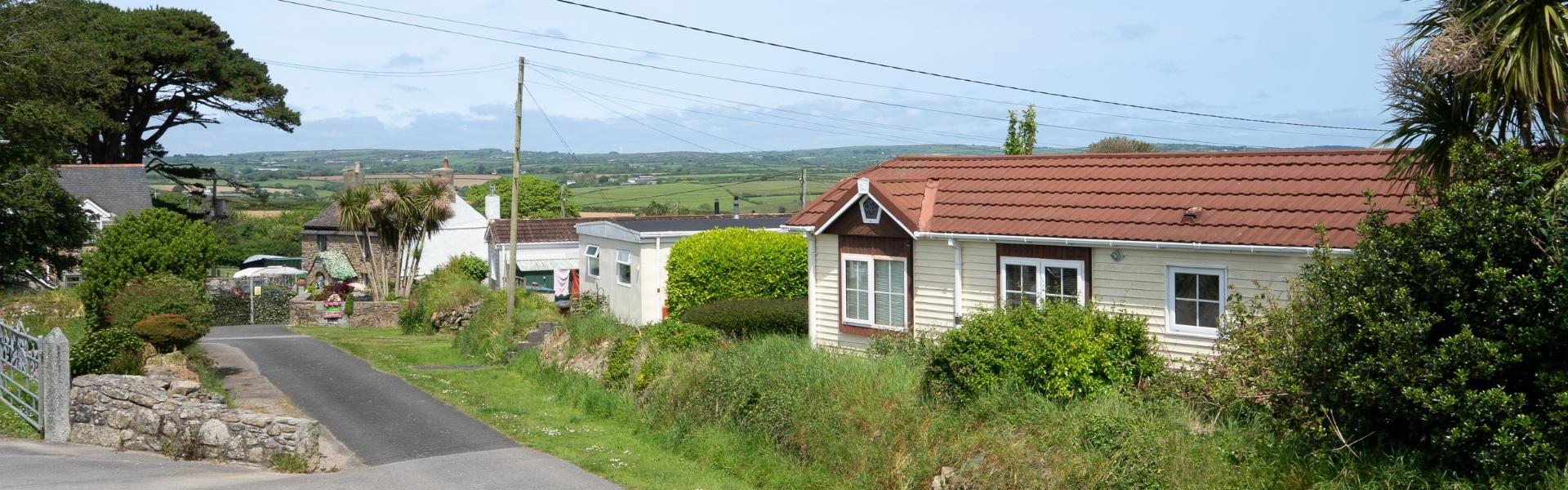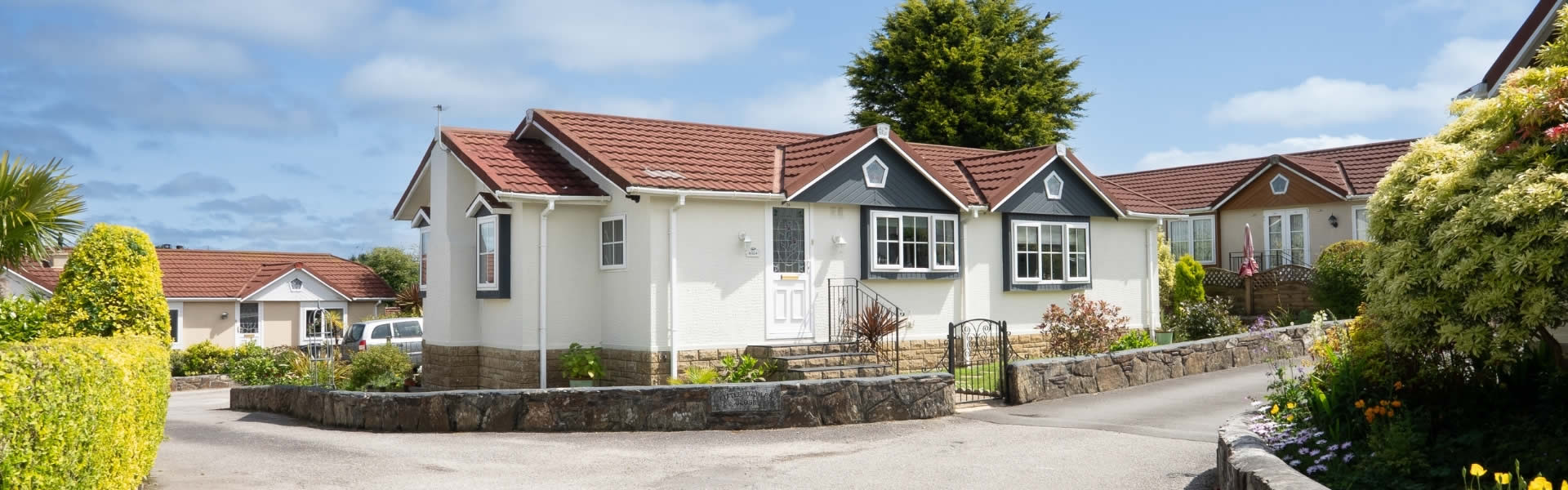
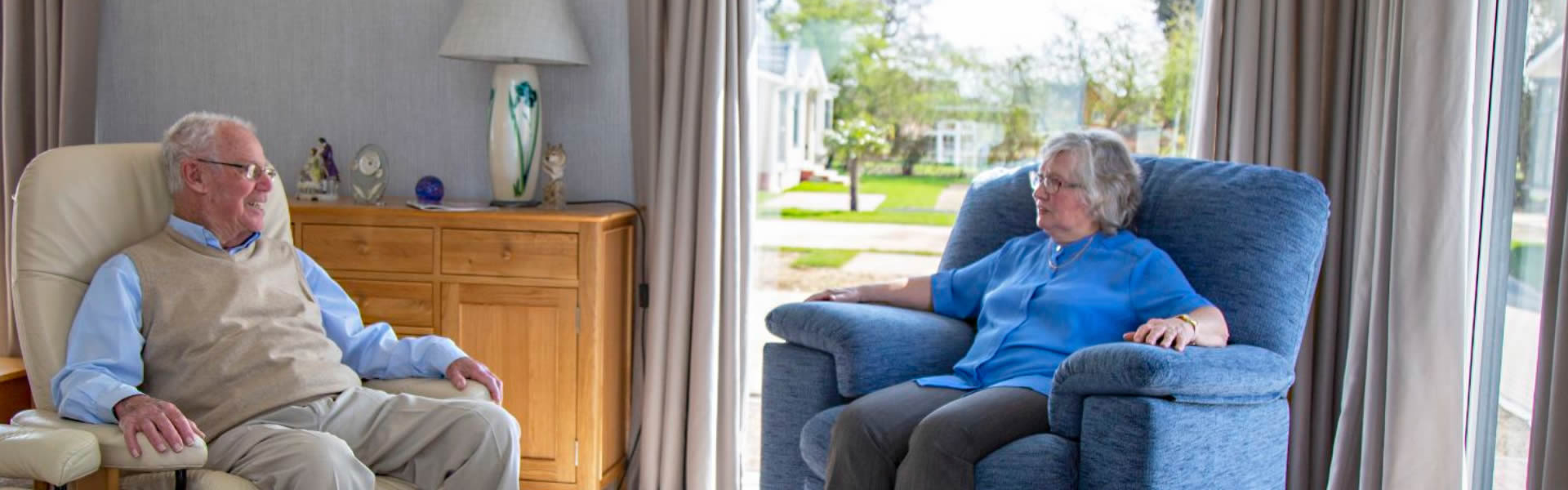
That is one reason many people are drawn to residential park living. A smaller home, green surroundings, and neighbours who know one another can create more room to breathe. For anyone considering a change, the mental health benefits of park living often begin with simple things: better rest, less pressure, and more chances to connect.
A Quieter Setting Can Reduce Daily Strain
Constant background noise is tiring. Busy roads, late-night activity, and crowded streets can leave little space to switch off. Residential parks are often set away from the busiest areas, which can make mornings gentler and evenings calmer.
Peace does not mean silence all day. It means fewer unwanted interruptions and more control over your surroundings. That can help people settle into a steadier rhythm, particularly after a stressful period or a demanding working life.
Green Space Makes It Easier to Step Outside
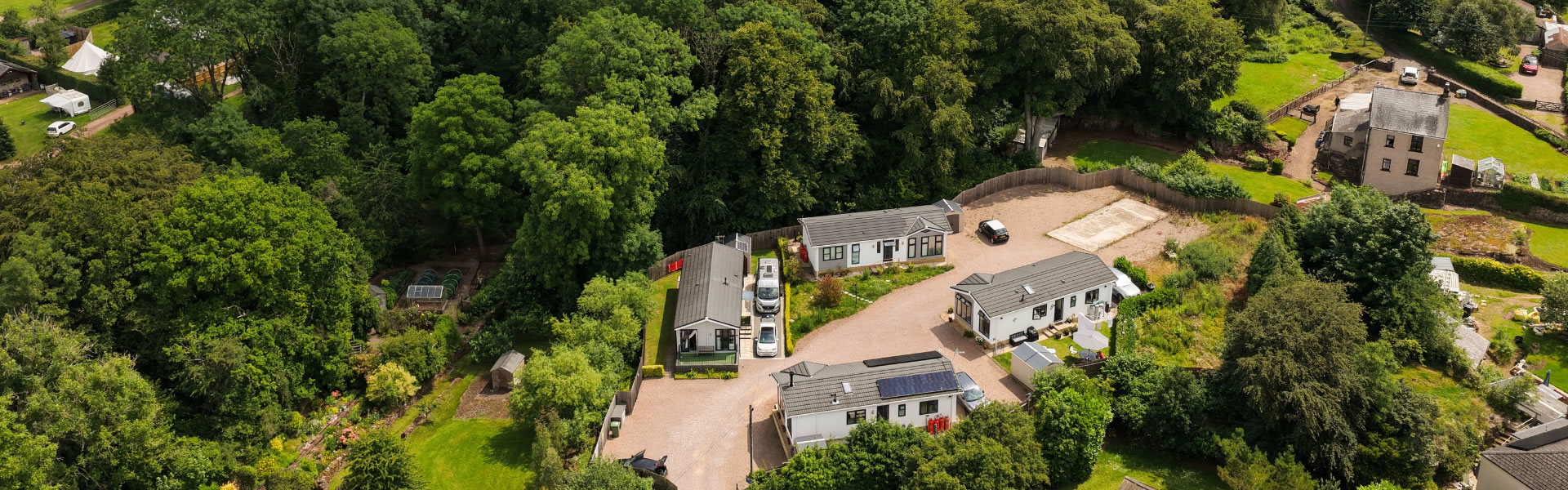
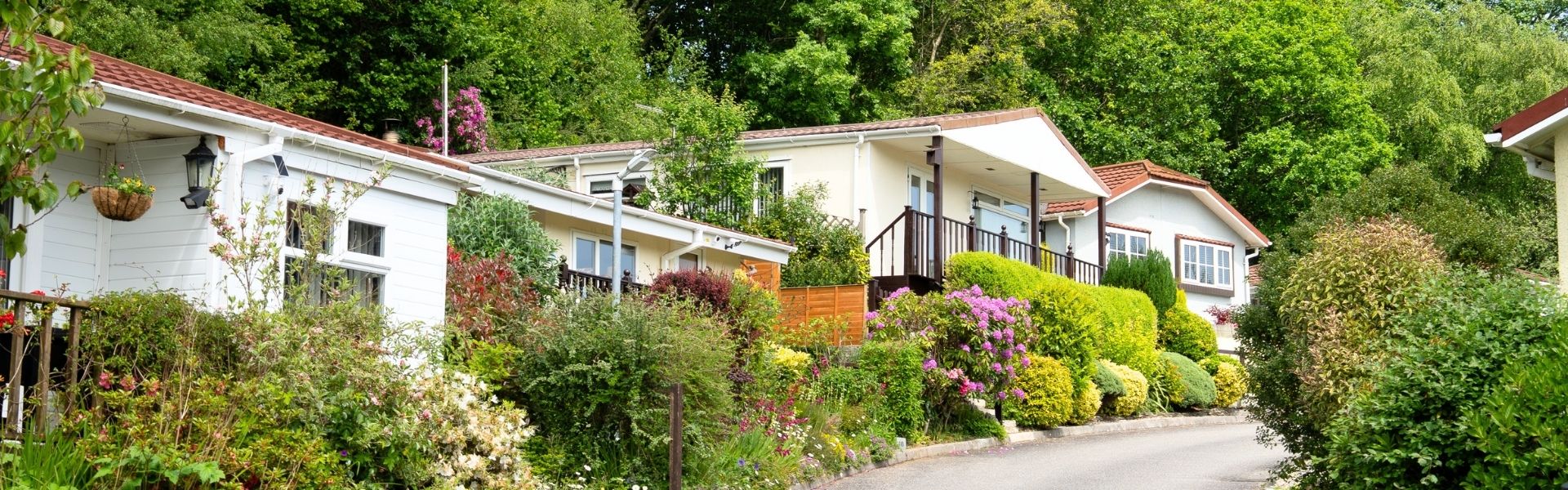
When trees, gardens, and open space are close to home, going outdoors feels less like a task. A short walk around the park, a few minutes tending plants, or a cup of tea outside can break up the day and lift a low mood.
The useful part is how easy it becomes. You do not need to plan a trip or drive somewhere scenic. The outdoors is already there, just beyond the front door.
A Manageable Home Can Ease Mental Clutter
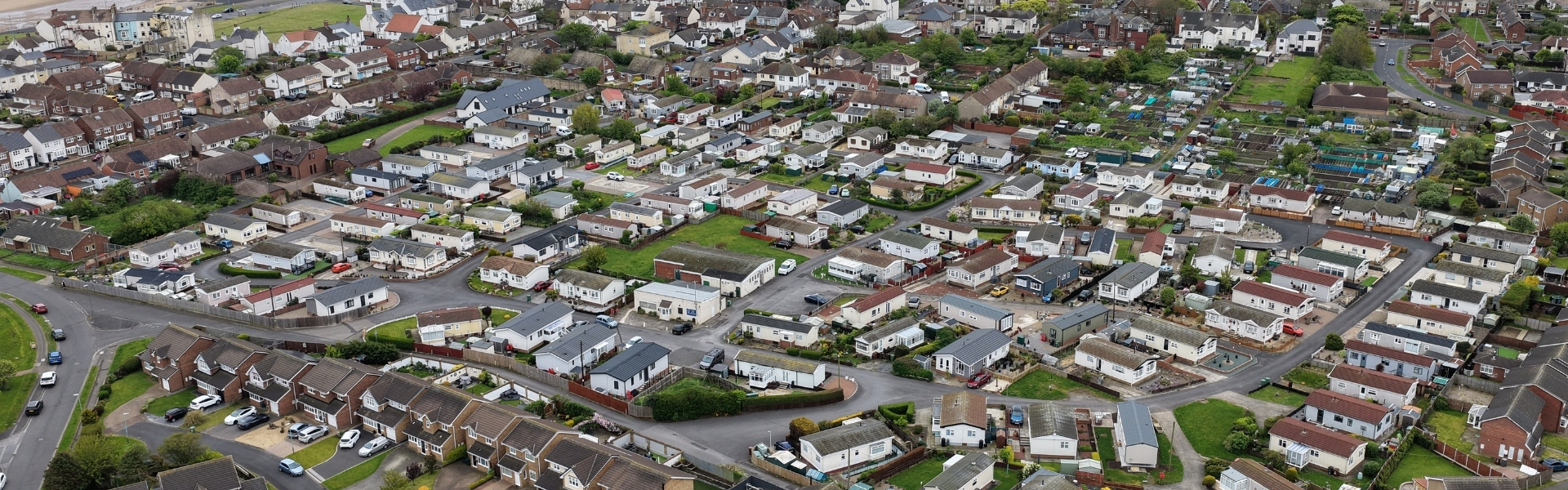
A large property can become hard work. Rooms need cleaning, gardens need attention, and repairs have a habit of arriving at the wrong time. Moving to a well-designed park home may reduce that burden.
With less space to maintain, people often have more time for the parts of life they actually enjoy. That might be seeing family, taking a walk, reading, travelling, or simply having an afternoon with nothing urgent on the list. Less upkeep can mean fewer nagging jobs in the back of your mind.
Community Helps People Feel Less Alone
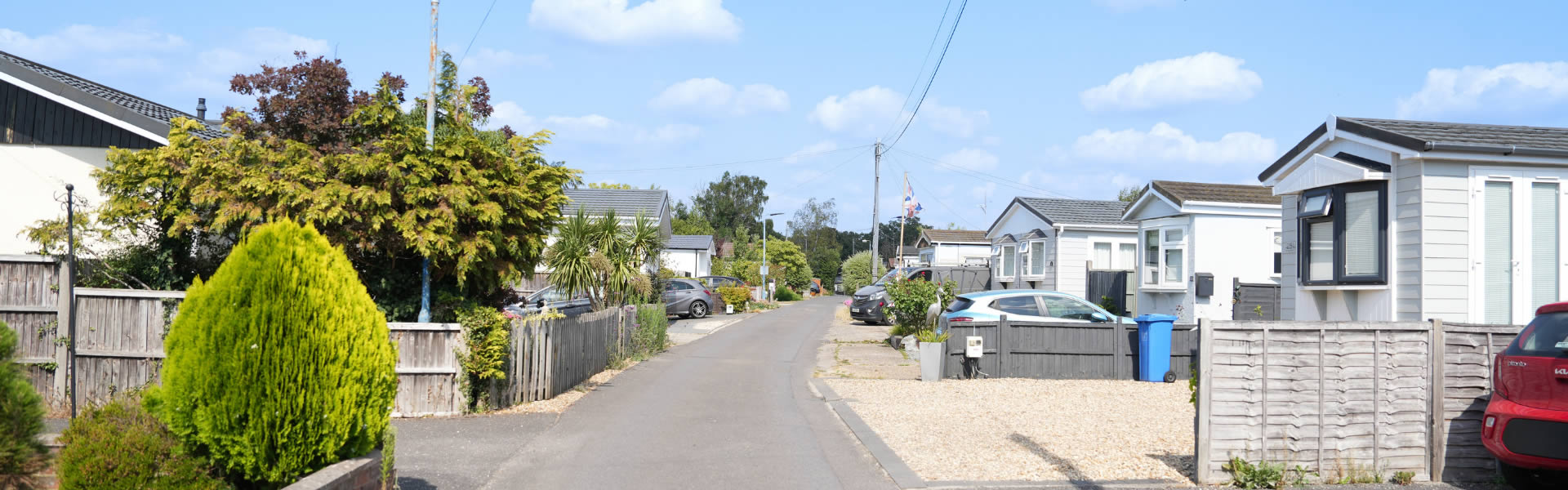
Loneliness is not always about living by yourself. It can also come from going days without a proper conversation. On a residential park, familiar faces are often part of everyday life. A chat on the path or a neighbour checking in can matter more than it sounds.
People can choose how involved they want to be. Some enjoy regular social activities, while others prefer occasional company and plenty of privacy. The important thing is knowing connection is nearby. Our article on wellbeing through community living looks more closely at why those everyday relationships matter.
A Sense of Belonging Builds Confidence
Feeling known and welcomed can make a new place feel like home surprisingly quickly. Small routines help: greeting the same neighbours, recognising the park team, or sharing local recommendations. Over time, these moments create familiarity.
Belonging also gives people a reason to stay engaged. It is easier to join a coffee morning, offer help, or ask for support when the people around you no longer feel like strangers. Read more about mental wellbeing and a strong sense of belonging.
Feeling Secure Can Bring Peace of Mind
Worry about security can make it hard to relax at home. A close-knit residential setting, where neighbours notice what is normal and what is not, may offer reassurance. Many people also value living among residents at a similar stage of life.
That reassurance can be especially welcome for people moving from a busy town, a remote property, or a home that has become difficult to manage. Our guide to security and peace of mind at Wyldecrest Parks explains more.
Daily Routine Often Becomes Simpler
Good mental wellbeing is often supported by ordinary habits rather than dramatic changes. Getting up at a regular time. Opening the curtains to a pleasant view. Walking to speak to a neighbour. Spending ten minutes in the garden.
Park living can make those habits easier to keep. The setting encourages a slower pace without forcing it. There is still plenty to do, but less of the rush that can make every day feel like a list of chores.
Peaceful Living Is Personal
One person may want an active social calendar. Another may simply want a quiet home and friendly people nearby. Both can find value in park living.
It is also worth being realistic. A move is a major life change, and peaceful surroundings are not a substitute for professional mental health support. But the right home can provide a better base: one that feels safe, manageable, and connected.
Finding the Right Residential Park
Visit in person before deciding. Walk around, listen to the surroundings, speak to residents where appropriate, and picture an ordinary Tuesday rather than just moving day. Ask about local amenities, transport, park rules, and community activities.
The right choice should feel comfortable, not pressured. When you are ready to explore the options, browse residential parks across the UK.
Frequently Asked Questions
Can park living improve mental health?
A peaceful setting, manageable home, access to green space, and friendly community may support everyday wellbeing. Park living is not a treatment, but the surroundings and lifestyle can reduce some common sources of stress.
Is residential park living suitable for someone who values privacy?
Yes. Community is available without needing to take part in everything. Residents can enjoy their own home and garden while still having familiar neighbours nearby.
How does green space help wellbeing?
Nearby green space makes it easier to spend time outdoors, move regularly, and take a break from indoor routines. Even short periods outside can make the day feel less confined.
What should I look for when choosing a peaceful park?
Pay attention to road noise, the condition of the grounds, nearby services, transport links, security, and the general atmosphere. Visit at different times of day where possible and ask how community life works in practice.